

The United Nations Food and Agriculture Organization (FAO) has launched a pioneering project in Kaduna State to slash post-harvest losses for tomato farmers, replacing rudimentary ground-drying with efficient solar-powered slab dryers.
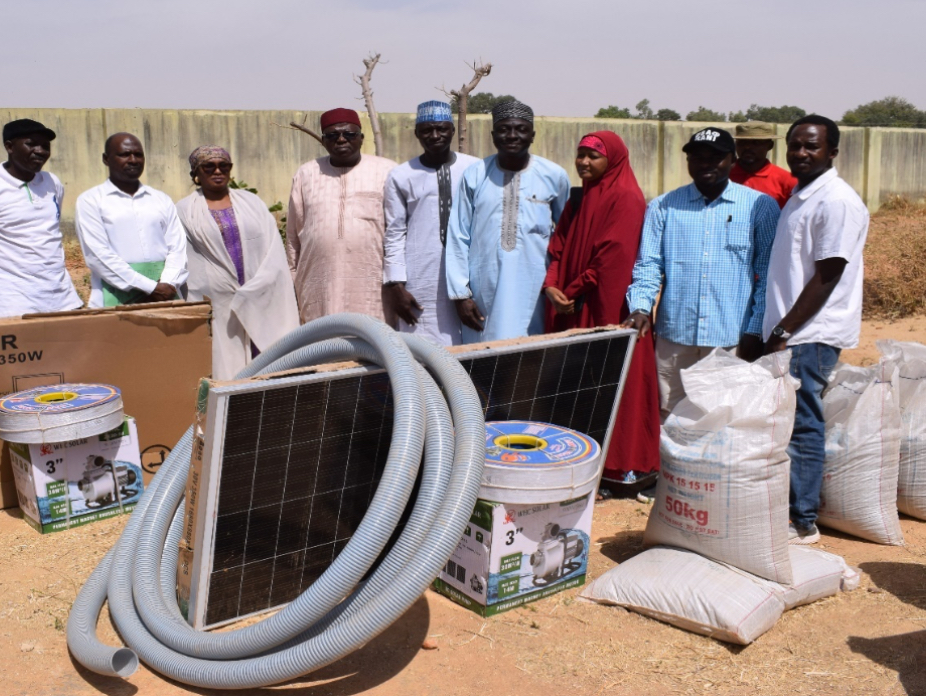
David Tsokar Communication specialist of the FAO in a statement said the “Smart Tomato Value Chain Enhancement” initiative, with £1m-plus technical cooperation – backed by the Kaduna state government – distributed solar water pumps, fertilisers, improved seeds and tools to 180 farmers across six local government areas, including Ikara, Makarfi and Giwa, was unveiled on 5 February.

It is being implemented under the FAO Technical Cooperation Project (TCP) through Sustainable Practices for Livelihood Improvement in Kaduna State.
NewsQuest reports that the move targets Nigeria’s chronic food waste problem, where up to 50 percent of tomatoes spoil due to rain and poor processing, while promoting climate-resilient farming amid rising temperatures.
Kaduna State Secretary to the Government, Dr Abdulkadir Muazu Mayere, has hailed the partnership as a blueprint for “sustainable agricultural transformation”.
“This is about more than handouts,” he said. “It’s forging resilient value chains with partners like the FAO for lasting livelihoods.”
The Commissioner for Agrculture in the State Murtala Mohammed Dabo also praised the scheme’s role in boosting food security and incomes, with three new solar drying hubs in Maigadi, Shika and Azara to process produce hygienically – cutting contamination risks and lifting market prices.
FAO’s Nigeria Representatives, Dr Hussein Gadain, said the project stemmed from on-the-ground assessments.
“It equips 90 hectares with heat-tolerant varieties, adapting to climate variability and building a modern tomato economy that creates jobs and sustains food systems,” he noted.
For recipients like Hajia Rabi Kabiru, a trailblazing woman farmer, the gains feel immediate.
“Rain used to ruin our harvests,” she told the launch event. “Now, with this solar pump, no more fuel bills – it will transform my entire season,” she said.
Mallam Idris Usman, from Tasha Maigadi, added: “Solar slabs mean cleaner drying, better prices and hope for youth staying in farming, not fleeing to cities.”
As Nigeria grapples with food insecurity affecting millions, such interventions as the FAO indicate how targeted tech can empower smallholders in the country, which is still considered as Africa’s largest economy.
