

President Bola Tinubu’s “transformational leadership” has thrust Nigeria from obscurity into the global diplomatic spotlight, where major powers now actively court the nation.
presidential spokesman said in an interview on the sideline of Tinubu’s state visit to Britain.
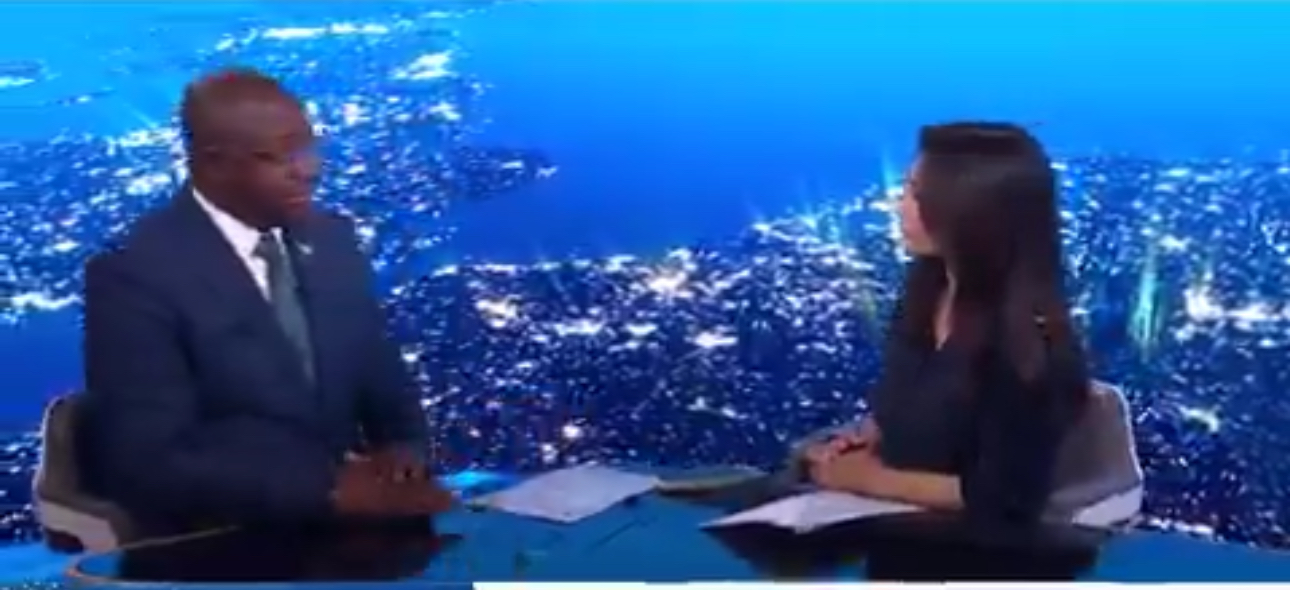
Sunday Dare, Special Adviser on Media and Public Communication made the comments to Sky News in an interview during the President’s two-day trip to the United Kingdom.
He explained that Nigeria’s strengthened ties with allies like Britain and the United States in combating transnational terrorism.
Dare pointed to last year’s Christmas Eve airstrikes by the President Donald Trump administration in northwest Nigeria against terrorist splinter groups as a sign of shifting dynamics from potential confrontation to collaboration.
“They targeted one splinter groups, Lakurawa” after Boko Haram fractured, he said.
“Beyond that, we have not had any other strikes. What we have had is support: logistics, supplies, even American boots on the ground to advise.”
The strikes, he added, are indicative of America’s interest in partnering with Nigeria under President Tinubu’s approach, which emphasizes back-channel diplomacy.
On recent attacks before the UK visit, Dare quoted President Tinubu as vowing that Nigeria “will never surrender to terrorists.”
He described such incidents as temporary fallout from intensified counterinsurgency efforts.
“Once you decimate their havens, the ungoverned spaces where these terrorists stay, they move,” he said.
Terrorists have shifted to north-central Nigeria after being flushed from strongholds, he explained.
Just overnight, Nigerian forces dislodged terrorists in Borno State, taking out 67 camps, Dare said, following direct orders from President Tinubu to the service chiefs.
Addressing President Donald Trump’s recent claims of genocide against Christians in Nigeria, the presidential aide rejected the narrative.
“Christians are not being deliberately targeted,” he said. Nigeria countered with the “correct narrative”: Transnational terrorism strikes Nigerians regardless of religion or ethnicity, though some groups bear a heavier toll.
Dare cited the fallout from Libya’s collapse, a porous 4,500-kilometer border, arms trafficking and instability in the Sahel as root challenges.
In the fight, Nigeria requires “strong allies like the United Kingdom, like the United States,” Dare stressed.
He disclosed that a major defense pact with Britain is expected to be signed during the visit, marking its significance.
