

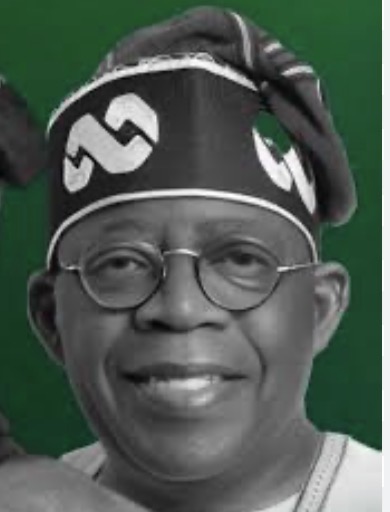
President Bola Tinubu on Monday hailed continental recognition of Nigeria’s customs-modernization programme.
The President’s comment comes after a subsidiary of Nigerian security firm Bergmans won a 20‑year contract under the African Continental Free Trade Area (ACfTA), to deploy customs and trade infrastructure across participating countries.
AfriTrade CMP Ltd., a unit of Bergmans Security Consultant and Supplies Ltd., will install a mix of digital systems and physical equipment—covering customs processes, cargo tracking, border management and trade-data exchange—under the multibillion‑dollar AfCFTA Customs Modernisation Project, according to a statement from the presidency.
A second Bergmans unit, Trade Modernisation Project Ltd., is implementing Nigeria’s domestic customs overhaul.
“This development validates Nigeria’s capacity to build homegrown solutions for the wider African market,” President Tinubu said in the statement by his Special Adviser on Information and Startegy Bayo Onanuga.
He called the selection of an indigenous firm “how African integration should work: Africans building African solutions for African opportunities.”
President Tinubu described the win as a vindication of his Nigeria‑First industrial policy and praised the Nigeria Customs Service and officials involved in the programme.
AfCFTA Secretary‑General Wamkele Mene visited Abuja as part of the agreement process and inspected Nigeria’s Unified Customs Management System—known locally as B’Odogwu—at the Nigeria Customs Service headquarters.
Mene had described the system as a model for the continent and said AfCFTA’s choice of an African provider came despite offers from non‑African firms, signaling a preference for regional expertise.
Senators who toured the facility after a two‑day retreat on customs reform said they emerged as proponents of the system.
Senator Jibrin Isah, who led the Senate committee visit, called members “ambassadors” for the Nigerian programme, the presidency said.
B’Odogwu, piloted in October 2024, sits at the center of Nigeria’s effort to streamline cross‑border trade.
The platform has been paired with cargo‑tracking tools, surveillance and risk‑management systems and integrated with non‑intrusive inspection technologies.
NewsQuest reports that the programme is being linked to the National Single Window, launched in March 2026 to centralize import‑export procedures in a single digital gateway—an advance President Tinubu said would be crucial for realizing AfCFTA’s promise of faster, cheaper movement of goods.
“The promise of AfCFTA will be realised when goods can move across African borders faster, at lower cost and with fewer barriers,” Tinubu said.
“Nigeria is ready to contribute its experience, innovation and enterprise to that future,” he added.
The contract further buttresses a broader push by African governments to cultivate domestic technology and services for trade facilitation—an effort that could shift procurement toward regional suppliers even as global firms continue to court the continent’s infrastructure market.
