

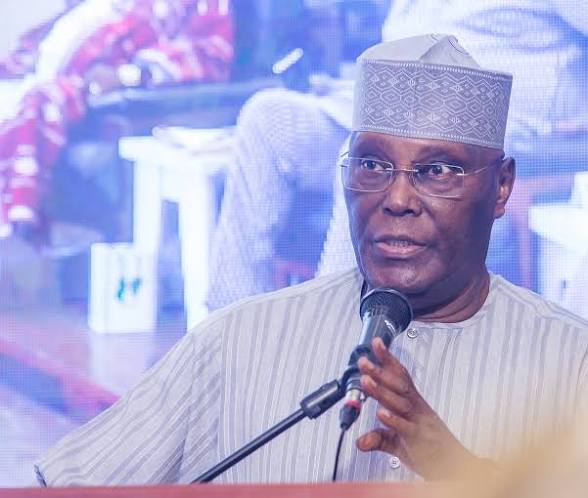
Former Vice President Atiku Abubakar on Monday urged transparency over the federal government’s heavy domestic borrowing, warning that it could be crowding out private-sector credit at a moment when rising oil prices have boosted state revenues.
In a statement by his Senior Special Assistant on Public Communication Phrank Shaibu, Atiku said Nigerians deserved an explanation for why the government had tapped the domestic market for N24.7 trillion between January and August 2026, an increase of about 90% from the N12.98 trillion borrowed in the same period a year earlier, despite oil trading well above the budget’s assumed price.
“At the beginning of this fiscal year, the Federal Government budgeted on an oil benchmark of $64.85 per barrel. Crude oil prices have since risen substantially above that benchmark,” the former Vice President said.
He argued that the removal of the fuel subsidy and the unification of the exchange rate had lifted nominal revenues, and asked for clarity on how the extra receipts and subsidy savings are being used.
While citing Central Bank of Nigeria (CBN) data, Atiku said credit to government grew 43 percent year‑on‑year, while credit to the private sector rose just 9.6 percent.
“When government takes a larger share of available credit, it can make borrowing more expensive for businesses,” he said, adding that access to affordable finance is critical to manufacturers, agro‑processors and entrepreneurs seeking to expand and create jobs.
Atiku, the presidential candidate of the African Democratic Congress (ADC) called for tighter fiscal discipline, reduced waste and a shift toward productive spending.
He said an ADC administration would seek to “gradually reduce reliance on domestic borrowing” to free up credit for the private sector.
“After three years of economic reforms, Nigerians deserve to see the impact of subsidy savings, additional revenues and higher oil earnings in their daily lives through lower costs and more opportunities,” he said, urging the government to publish a transparent account of revenues, savings and expenditures and to take steps that ensure adequate private‑sector access to credit.
