

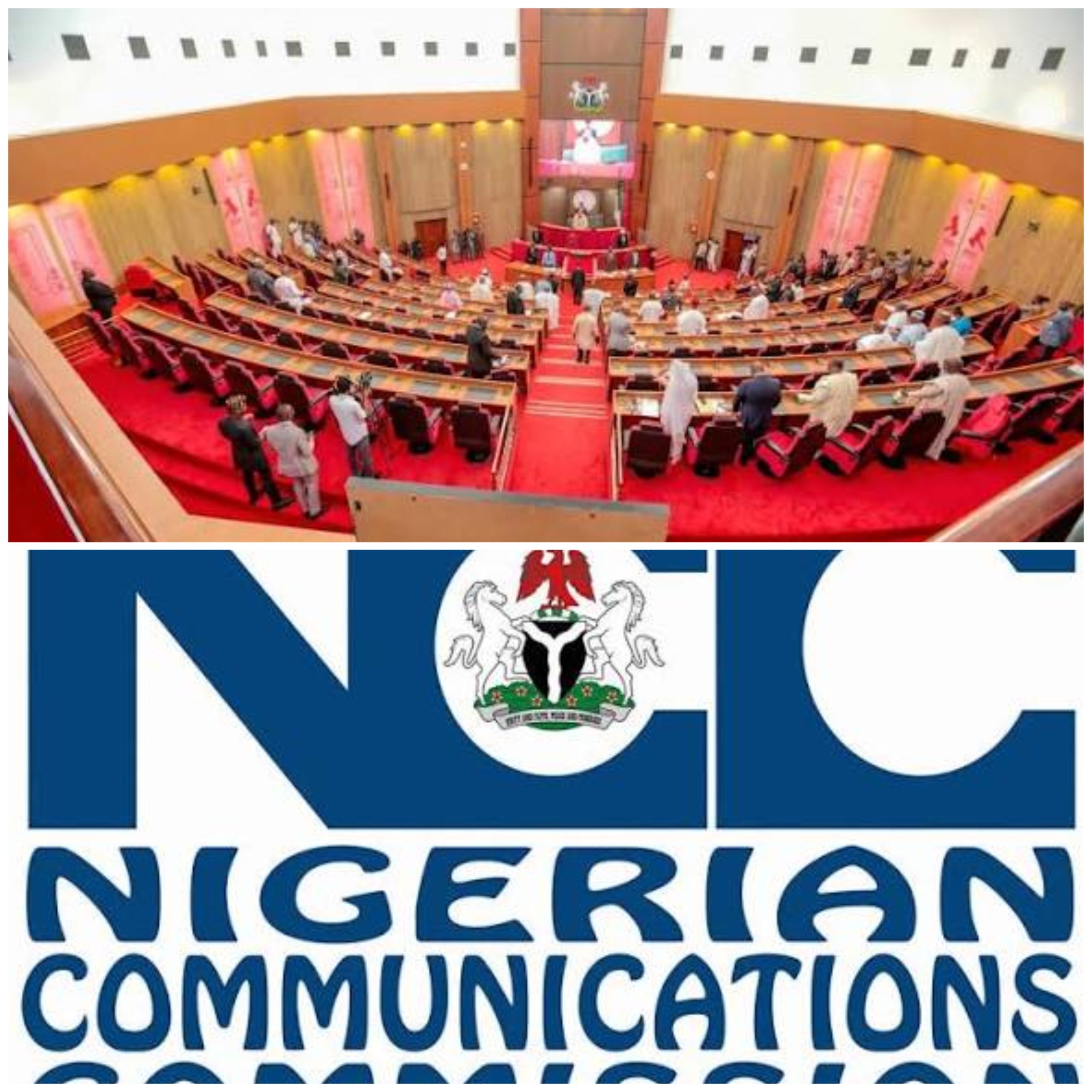
The Senate has launched a four-week investigation into alleged airtime deductions for failed, dropped, or interrupted calls amid persistent complaints about poor telecom service.
Its Communications Committee is to question the Nigerian Communications Commission (NCC) and major operators, then report with regulatory and legislative recommendations.
The committee is directed to:
Invite the NCC and telecom operators to examine complaints involving failed calls, dropped connections, premature disconnections, and charges for calls that did not deliver effective service.
Determine the aggregate financial loss borne by subscribers, especially where repeated calls are needed because of network failures.
It recommend legislative or regulatory measures to improve consumer protection and service quality.
The probe covers major operators including MTN Nigeria, Globacom, Airtel Nigeria, and T2 Mobile.
The Senate’s resolution goes beyond an inquiry.
It asks the NCC to make telecom companies return airtime automatically when calls fail or network problems interrupt service.
It also wants the NCC to create a fast complaints process, check the companies’ billing systems independently, and punish operators that fail to meet quality standards.
The Senate’s core argument is that airtime payment should correspond to a service actually delivered, not merely an attempt to connect a call.
Lawmakers argue that small individual deductions can become substantial losses when multiplied across millions of subscribers, with a disproportionate impact on low-income earners, traders, students, and small businesses.
Senate President Godswill Akpabio said the committee should first engage Communications Minister Bosun Tijani and NCC leadership.
If their response is unsatisfactory, he warned that the Senate could summon the Minister, the NCC executive vice-chairman, and all operators before a Committee of the whole.
The key test will be whether the committee can distinguish ordinary network congestion or isolated technical faults from a systemic billing and service-quality problem.
The requested automatic-refund rule would be particularly consequential: it would shift part of the cost of network failures from subscribers to operators, but would require clear technical definitions of a “verifiably failed” call and a practical way to process refunds.
The committee must report within four weeks, although Akpabio described that deadline as too long given the scale of public complaints.
