

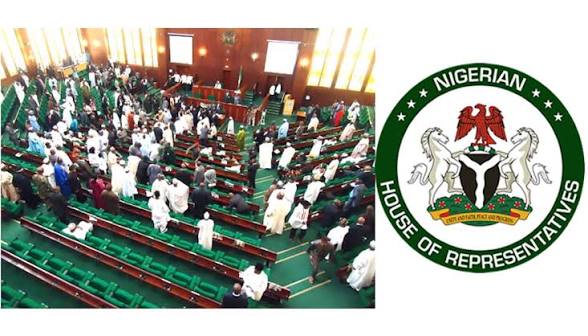
The House of Representatives has called for an immediate review and possible suspension of the country’s electricity tariff-band system, citing complaints that wealthier neighborhoods and commercial centers receive more reliable power while poorer households endure prolonged blackouts.
The resolution, adopted during Wednesday’s plenary, followed a motion by Honourable Aluko Ahmed Yinka.
Lawmakers directed the Federal Ministry of Power and the Nigerian Electricity Regulatory Commission, or NERC, to revisit the Service-Based Tariff policy, which sorts consumers into Bands A through E according to the hours of electricity they are expected to receive.
The move adds legislative pressure to a policy designed to link higher tariffs with more dependable supply.
Instead, Lawmakers said, it has entrenched a two-tier electricity market: affluent residential areas, businesses and high-profile consumers receive priority service, while low-income households and rural communities face persistent outages despite paying for electricity.
“Access to affordable and reliable electricity remains critical to national development, job creation, poverty reduction and economic growth,” Yinka told the chamber.
Under the policy, Band A customers are meant to receive at least 20 hours of electricity daily. But Yinka said many of those consumers continue to experience extended outages even after paying higher rates.
Consumers in Bands B through E, he said, face recurring shortages, estimated billing and unexplained shifts between tariff categories without adequate consultation or metering.
The lawmaker also alleged that some electricity distribution companies, known as Discos, practice discriminatory load-shedding – cutting supply to lower-band communities while protecting affluent neighborhoods and commercial districts.
The House said the system has raised living costs and squeezed small businesses, many of which spend heavily on generators and alternative energy sources while receiving little improvement in grid supply.
Lawmakers warned that unreliable electricity is hindering industrialization and worsening economic pressure on ordinary Nigerians.
The resolution also highlighted a broader weakness in Nigeria’s power market: millions of consumers still lack prepaid meters and are billed through estimates, creating room for arbitrary charges and disputes with distribution companies.
The House urged the power ministry and NERC to suspend the current band-tariff policy pending broad stakeholder consultations and comprehensive metering of consumers.
It also instructed its Committee on Power to investigate allegations of discriminatory supply practices by Discos and report back within four weeks.
NewsQuest reports that the action reflects mounting political scrutiny of Nigeria’s electricity reforms, which have sought to make tariffs more cost-reflective while improving service delivery.
For households and businesses, the central question remains whether higher prices will finally deliver the reliable power they were intended to buy.
