

Nigeria has seized the opportunity of the 81st United Nations General Assembly (UNGA) in New York to press for a global financial system that gives African countries more affordable access to capital.
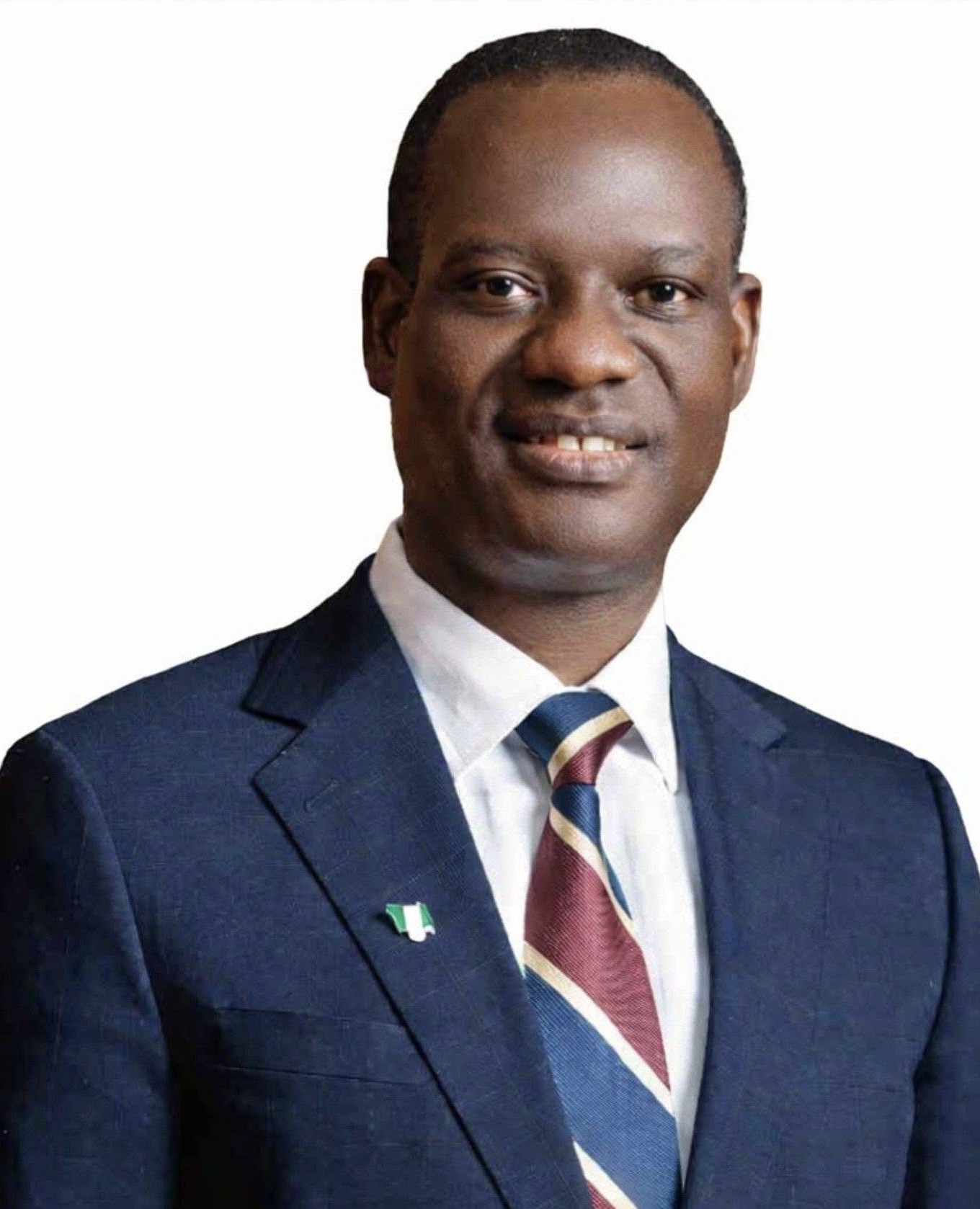
The Minister of Finance and Coordinating Minister of the Economy, Taiwo Oyedele, told journalists in an interview that a series of engagements on the sidelines of UNGA focused on supporting industrialisation, job creation and poverty reduction.
Minister Oyedele said Nigeria’s delegation held what he described as productive discussions with foreign governments, including US officials, development partners, investors and members of the Nigerian diaspora.
The engagements followed Nigeria’s presentation at the 81st session of the UN General Assembly, delivered by Vice President Kashim Shettima.
The Minister said Nigeria also used the forum to call for responsible artificial intelligence development in Africa, reforms to the international financial architecture, and policies aimed at expanding employment opportunities.
“Nigeria has had a very productive engagement” around the General Assembly, Oyedele said, pointing to discussions on “how do you attract affordable finance, how do we industrialise our country, how do we create decent jobs at scale, and how do we ensure that we lead people out of poverty?”
NewsQuest reports that Africa’s most populous country is seeking to revive investment and accelerate growth as it confronts high borrowing costs, infrastructure gaps and widespread poverty.
President Bola Tinubu’s government has pursued economic reforms intended to improve public finances and encourage private investment, while trying to cushion households and businesses from the effects of higher prices and reduced state support.
Oyedele told reporters that African countries need a financial system that is less biased against the continent, particularly in the cost and availability of financing.
The current global financial architecture, he said, is “skewed against Africa,” raising a central question for policymakers: “How do you restructure” it to enable countries on the continent to finance development more sustainably?
Our correspondent gathered that, for Nigeria, this includes attracting long-term, lower-cost capital for roads, power generation, transmission networks, housing, manufacturing and other projects needed to broaden economic activity.
Inadequate infrastructure remains one of the continent’s most persistent obstacles to industrial expansion and competitiveness.
“Africa as a whole has a lot of infrastructural deficits, and we are clear in our mind that we want to encourage more development,” Oyedele said.
He explained that Nigeria wants African businesses to produce more large-scale success stories similar to the Dangote Group, the conglomerate founded by Nigerian industrialist Aliko Dangote, whose interests span cement, food processing, sugar, fertiliser and oil refining.
“We all have commended the audacity of someone like Aliko Dangote,” Oyedele said.
“We want to make that kind of success common, not to be the exception, but to be the rule.”
The Minister said the objective is not only to attract foreign capital but also to deepen Africans’ confidence in their own economies.
“We want to believe in our continent, invest in our continent, so that others can follow us in investing. That way, Africa will make progress faster,” Oyedele noted.
Nigeria’s pitch reflects a broader African drive for reforms at global financial institutions, including greater access to concessional funding, fairer sovereign-credit assessments and financing mechanisms that do not force developing countries to pay substantially higher rates than wealthier nations.
