

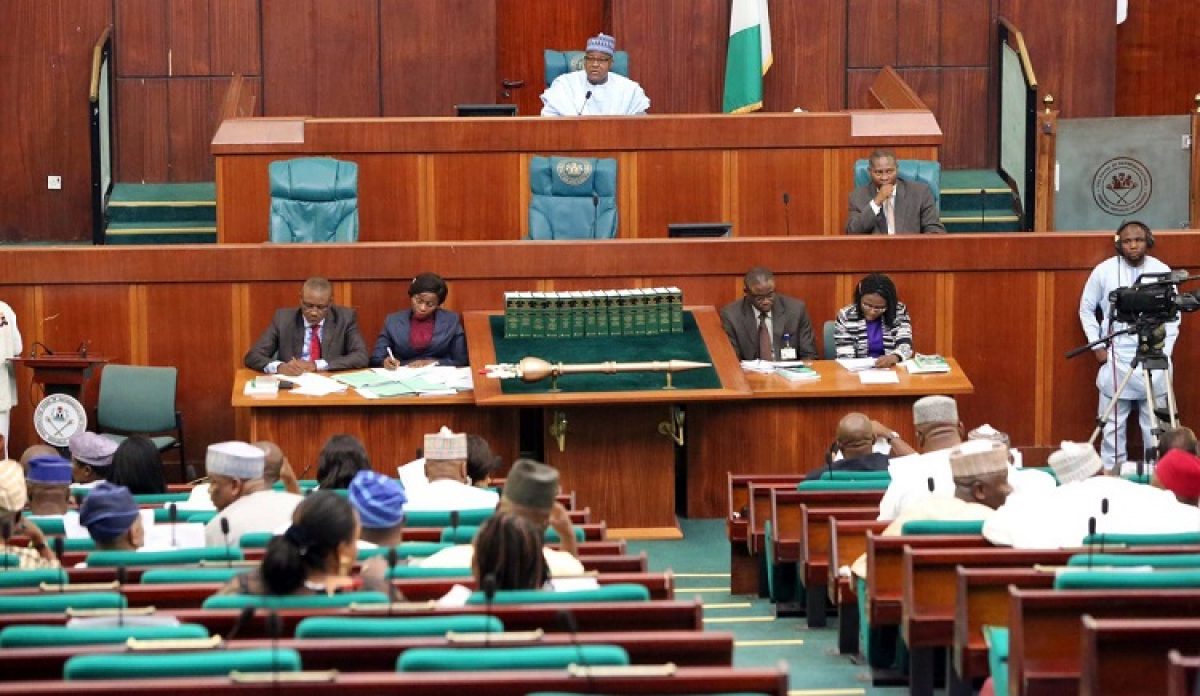
The House of Representatives has passed a bill seeking to amend the Employees’ Compensation Act to enhance workplace protection and ensure improved compensation for workers who suffer injuries, disabilities or death in the line of duty.
The bill, moving the measure closer to becoming law after the Senate approved a matching version, would establish the Nigerian Employees’ Compensation Trust Fund Agency, a safety-net body intended to provide “adequate compensation” for death, injury, occupational disease or disability arising in the course of employment.
The legislation would replace the existing Nigeria Social Insurance Trust Fund Act and Employees’ Compensation Act, and would extend coverage beyond conventional employees to self-employed workers, informal-sector participants, industrial-training trainees and National Youth Service Corps (NYSC) members.
Because the House’s action secures concurrence with the Senate, the bill can now be transmitted to the President for assent.
The proposal would require covered employers and workers to register with the new agency.
Employers who fail to register an employee could be liable for compensation that would otherwise have been payable for a qualifying work-related injury, illness or death.
It also prohibits employers from deducting statutory contributions from employees’ pay or requiring workers to help indemnify them against liabilities under the scheme.
Individuals convicted of violating that provision could face up to one year in prison, a fine of at least ₦500,000, or both; companies could face fines of at least ₦10 million, plus repayment of unlawfully deducted sums.
Lawmakers also passed a bill to establish an Economic and Financial Crimes Commission (EFCC) Institute as a center for training, research, policy development and collaboration on financial crime, along with legislation amending the EFCC Act.
A separate proposal to create a National School of Government for leadership development and policy delivery scaled second reading, keeping it in the early stages of the legislative process.
