

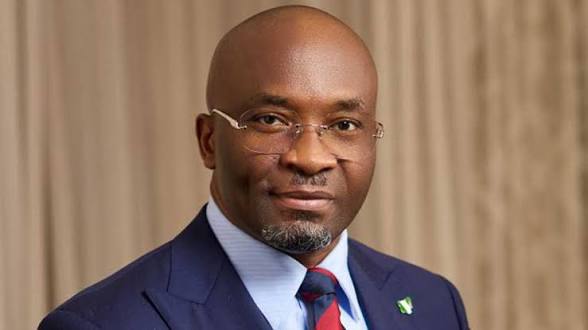
Deputy Speaker of the House of Representatives Benjamin Kalu has urged the World Trade Organization (WTO) to reach concrete agreements on food-security stockpiling and investment facilitation, warning that prolonged deadlocks were eroding confidence in the global trading system.
Speaking on Friday in Geneva at the 57th session of the Steering Committee of the Parliamentary Conference on the WTO, Kalu said the organization’s credibility would be measured by whether it could deliver meaningful results for developing countries.
WTO Director-General Ngozi Okonjo-Iweala attended the meeting.
The WTO has made progress on issues including fisheries subsidies and development, Kalu said.
The Deputy Speaker however questioned why members had failed to find a permanent solution to public stockholding for food security more than a decade after the 2013 Bali Ministerial Conference.
“Thirteen years cannot be explained as an ordinary negotiating delay,” Kalu said.
“The cost of delay is paid by farmers, workers and families.”
Under public-stockholding programs, governments purchase food at administered prices to build reserves and support vulnerable populations.
WTO rules have restricted some such programs because they can affect trade-distorting subsidy limits.
As an interim measure, Kalu proposed that members consider a waiver under Article IX:3 of the Marrakesh Agreement for qualifying public-stockholding programs.
He also criticized the impasse over the WTO’s Investment Facilitation for Development Agreement, saying broad support for the accord had been stalled by a single formal objection.
Deputy Speaker Kalu called for national parliaments to take greater responsibility for advancing WTO agreements.
He also proposed that legislatures submit reports on concrete steps they had taken before each meeting of the parliamentary conference’s steering committee.
“Too often, our discussions focus on what Geneva has or has not done,” he said.
“We should devote equal attention to what our own governments and legislatures have done.”
Future sessions of the Parliamentary Conference on the WTO should focus on unresolved economic issues, including food stockholding, investment facilitation, e-commerce and digital-trade rules, Kalu said.
“Nigeria is not here to add to the diagnosis. We are here to help restore that trust,” he added.
Okonjo-Iweala told the conference that consensus remained essential to the WTO but said the organization’s interpretation of consensus as unanimity had allowed a single objection to block outcomes supported by most members.
She urged parliamentarians to develop practical reforms aimed at rebuilding confidence in the organization.
