

Secretary to the Government of the Federation (SGF) George Akume has said that Nigeria is accelerating the deployment of a national digital identity system that will underpin banking, telecommunications, social-welfare programmes and cross‑border commerce across Africa.
Akume who stated this on Wednesday in Abuja praised the National Identity Management Commission’s (NIMC) recent gains, calling the work one of the clearest delivery achievements of President Bola Tinubu’s administration.
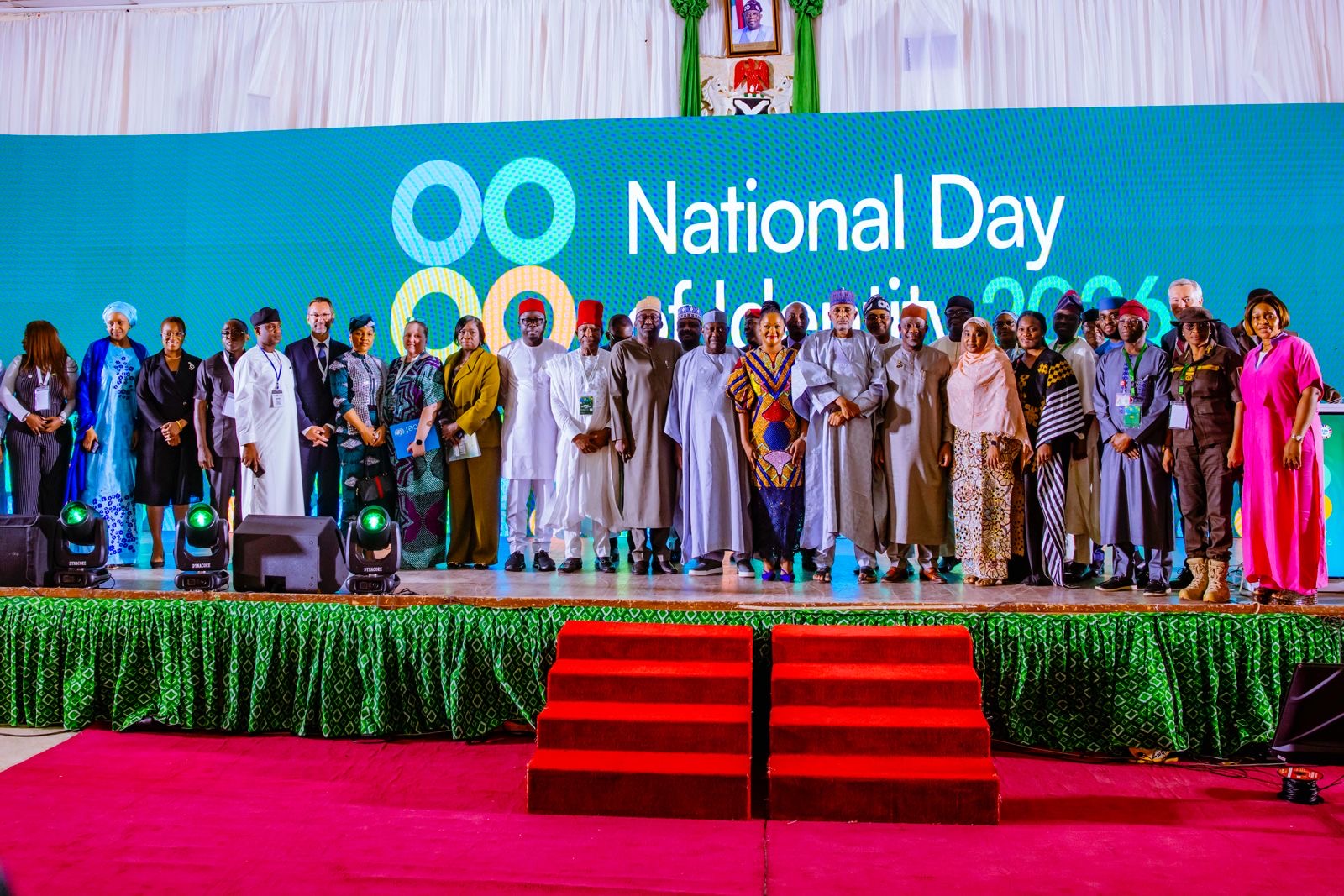
A statement by his Special Adviser on Media and Publicity Yomi Odunuga said the SGF spoke at the National Day of Identity 2026, which carried the theme “Nigeria’s Digital Public Ecosystem: Powering Africa’s Digital Economy.”
“We have watched this work closely,” Akume said.
“Enrolment continues to rise. Integration with banking, telecommunications and social protection is deepening.”
He added that the NIMC had shown “the quiet, daily discipline this work requires,” and pledged full backing from his office to remove obstacles and coordinate activity across government agencies.
The government last month enacted the National Identity Management Commission Act, 2026, which gives the agency stronger statutory authority, tightens data‑protection safeguards and designates NIMC as the country’s root certification authority for identity, Akume noted.
NewsQuest reports that those legal changes will make it easier for private firms and public programs to rely on verified digital identities.
NIMC has rolled out several tools that officials say streamline identity verification, including NINAuth, a system for authentication, and a self‑service option for data updates.
Those features, coupled with growing enrolment, are expected to simplify account opening for banks and expand access for fintechs and telcos.
Beyond domestic benefits, SGF Akume said a trusted identity foundation could accelerate regional economic integration, including trade opportunities under the African Continental Free Trade Area.
“Every improvement in Nigeria’s identity infrastructure strengthens the country’s position and Africa’s participation in the global digital economy,” he said.
Akume also highlighted his discussions with NIMC Director‑General Engr. (Dr.) Abisoye Coker‑Odusote after passage of the new law, saying the meetings reinforced his confidence in the commission’s leadership and priorities.
The government’s pledge to support NIMC follows wider efforts across African states to digitize identity systems, a trend that has drawn interest from international development agencies and private investors.
SGF Akume thanked President Tinubu for assenting to the NIMC Act and said the legislation provides the “modern legal footing” to sustain reforms and deepen the architecture of Nigeria’s digital identity system.
