


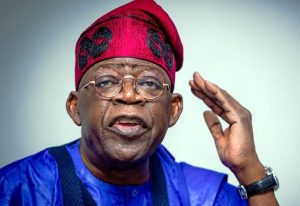


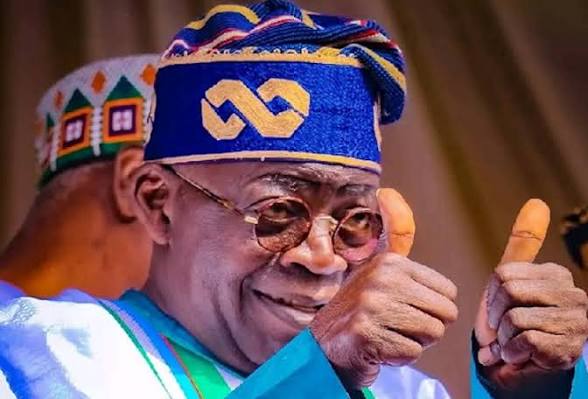


President Bola Tinubu on Friday hailed Nigeria’s admission to the World Energy Council (WEC), calling the move a milestone for the country’s energy reforms.
The President in a statement by his Special Adviser on Information and Strategy Bayo Onanuga said it is also a step that will amplify Africa’s voice in global energy policymaking.
Nigeria has become the newest national member committee in the century-old London-based network, which represents more than 100 countries and advises on energy security, equity and sustainability.
President Tinubu said the membership positions Nigeria “to lead, not just participate,” in international discussions shaping energy markets and policy.
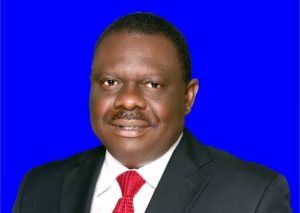
In congratulating the newly constituted WEC Nigeria, the President named Mr. Abdulrazaq Isa as chairman and Bala Wunti as Chief Executive Officer, and praised the inaugural board for its mix of industry, regulatory, finance and academic figures, along with members of the Future Energy Leaders community.
President Tinubu described Mr. Isa as a “distinguished patriot and trailblazing industrialist,” whose investments in indigenous refining and industrial energy infrastructure have expanded opportunities for Nigerian enterprise.
He lauded Mr. Wunti as “one of Nigeria’s finest energy strategists and reform champions,” with more than three decades of service credited with reforms that boosted government revenues and restored investor confidence in the sector.
“The blend of seasoned industry captains, regulators, finance experts and youth leaders on the board gives WEC Nigeria the balance, neutrality and credibility required to succeed,” Tinubu said.
He emphasized the federal government’s backing for a “neutral, technology-agnostic” forum for policy dialogue, investment mobilization and innovation.
The President also pledged cooperation with WEC’s London secretariat and the council’s global membership to advance the delivery of secure, affordable and sustainable energy across Nigeria and the continent.
He extended best wishes to the chairman, chief executive and board as they assume what he called a “historic national assignment.”


