

The Independent National Electoral Commission (INEC) has started distributing non-sensitive election materials to states as it accelerates preparations for the 2027 general election.
INEC said it has completed nine of 14 items on its electoral timetable and has begun moving logistics supplies to selected geopolitical zones.
Permanent Voter Cards (PVCs) have also been produced, with most states receiving the first and second batches for collection by registered voters.
INEC National Commissioner Rhoda Gumus, who represented Chairman Professor Joash Amupitan, said the commission’s preparations were progressing steadily as it moved into the next phase of its electoral timetable.
Amupitan was in the United Kingdom, where he was scheduled to present INEC’s election preparations at Chatham House.
Gumus said the Chairman recently completed a tour of the six geopolitical zones to assess readiness, identify operational challenges and agree on corrective measures.
“We can see from our tour that we are really going towards the election proper,” she said.
The commission said non-sensitive election materials were nearly ready, with some already being moved to certain zones.
It is also continuing staff-capacity programmes at its headquarters and state offices, alongside procurement and deployment arrangements for the Bimodal Voter Accreditation System (BVAS).
INEC urged registered voters to collect their Permanent Voter Cards, saying possession of the card remains important for participation in the electoral process.
The commission said PVC production had been completed and that most states had received the first two batches for distribution.
On whether Nigerians abroad could vote in 2027, Gumus said INEC could not implement diaspora voting under the existing electoral legal structure.
She said the measure is not provided for in the current electoral law and would require a legislative amendment before the commission could proceed.
The position contrasts with Kenya, where officials said citizens in about 12 countries participated in the last general election and the country is working to extend overseas voting to roughly 26 countries.
Kenyan officials said the expansion is driven by constitutional provisions and court decisions requiring the progressive implementation of voting rights for citizens abroad.
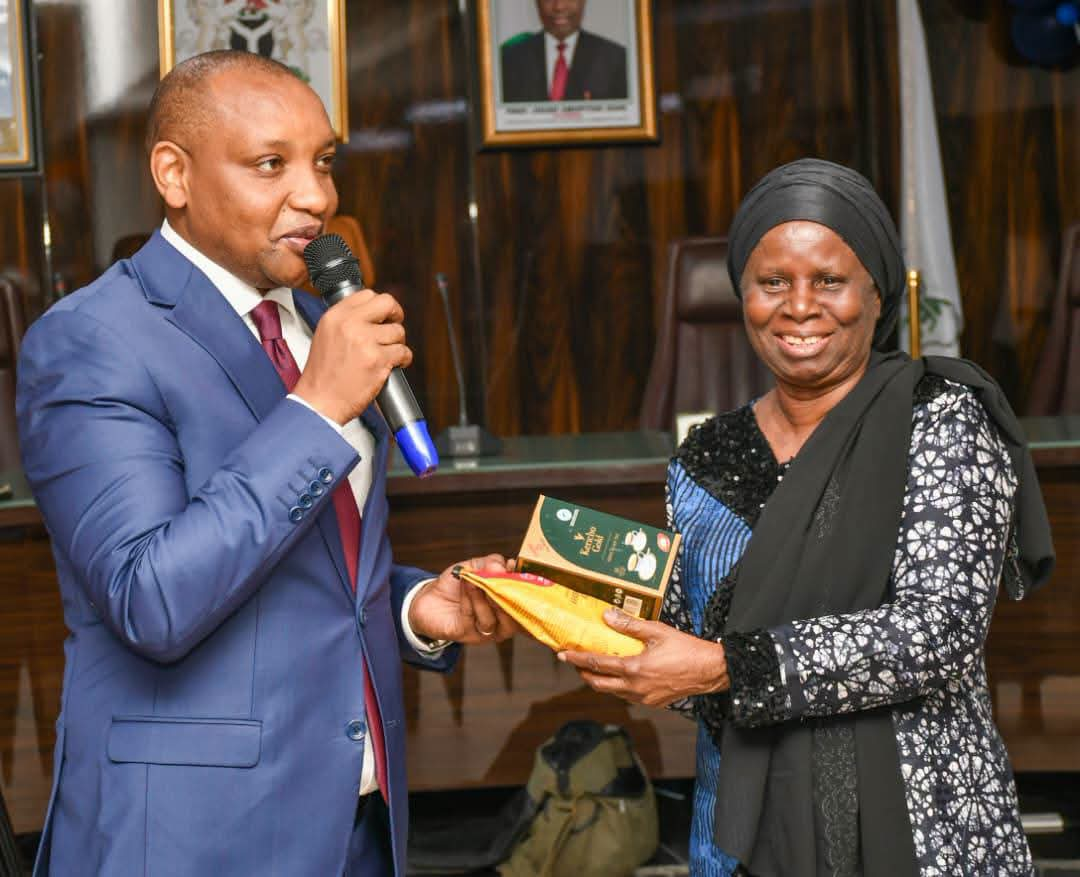
Gumus made the remarks while receiving a delegation from Kenya’s Independent Electoral and Boundaries Commission, led by Kenyan High Commissioner to Nigeria Isaac Parashina.
INEC arranged interactive sessions between its directors and the visitors to give them a closer look at the operations of its departments.
Parashina praised INEC for receiving the delegation despite its demanding preparations and described the visit as a reflection of cordial relations between Nigeria and Kenya.
He said Kenya, preparing for its own general election in August 2027, came to study Nigeria’s electoral processes and draw lessons on expanding voting opportunities for citizens abroad and better accommodating special-interest groups.
“The success of Nigeria remains a great success to Kenya and indeed to the continent,” Parashina said, describing Nigeria as Africa’s biggest democracy.
