

The Federal government has opened 52 referral centres for survivors of sexual assault and other gender-based violence, as officials pledge to expand services and pursue greater accountability for perpetrators.
The centres provide medical care, psychosocial support and referrals for survivors of rape and other forms of gender-based violence.
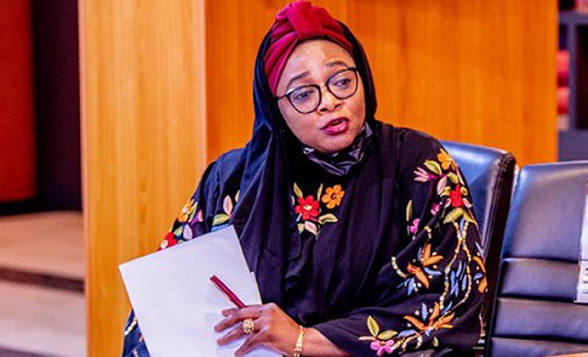
Women Affairs Minister Imaam Suleiman Ibrahim, speaking through her representative Ebele Obiefuna in Umuahia, said the government is working with health agencies and other partners to establish at least one such center in each of Nigeria’s 774 local government areas.
“Nigeria currently has 52 sexual assault referral centres providing medical, psychosocial and referral services to survivors,” the Minister said.
“We are also working with relevant stakeholders to establish at least one center in every local government.”
The announcement was made during a South East capacity-building workshop organized by Women Aid Collective (WACOL), for government officials, ministries, departments and agencies, and civil-society groups.
The program focused on preventing violence against women and girls, ending harmful practices and improving responses to gender-based violence.
Ibrahim said the government would partner with relevant agencies to end impunity for violence against women and girls and improve survivors’ access to justice.
She also praised WACOL’s work against discriminatory and harmful practices affecting women across the country.
WACOL founding Executive Director Professor Joy Ezeilo, a Senior Advocate of Nigeria, urged participants to publicize efforts against discrimination and abuse.
She condemned the flogging of women by masquerades in Enugu State and other practices she described as degrading to women in South East communities, saying stronger coordination among agencies could help end such abuses.
The expansion of referral services highlights a persistent gap in response to sexual violence: survivors often face limited access to immediate medical care, counseling and legal support, particularly outside major cities.
She said a broader network of local centers could make assistance more accessible, though implementation will depend on funding, staffing and coordination among federal, state and local governments.
