

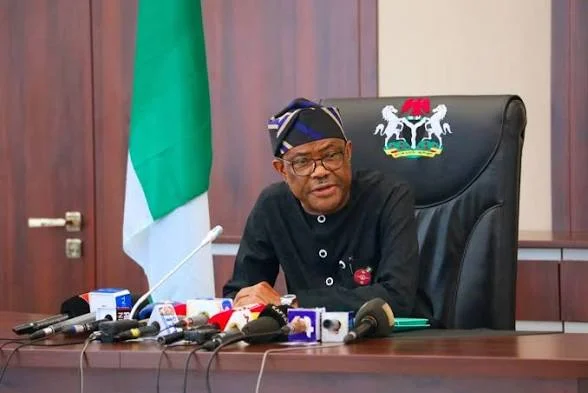
Minister of the Federal Capital Territory Nyesom Wike has described Abuja as the “ultimate symbol” of Nigeria’s national unity, saying the capital brings together people from different ethnic, religious and cultural backgrounds to live and work in peace.
Wike made the remarks in an Independence Day message to FCT residents as Nigeria marked 66 years of independence.
He said Abuja’s importance extends beyond its role as the nation’s capital, describing the city as a reflection of the country’s diversity and shared identity.
“The Federal Capital Territory stands as the ultimate symbol of our national unity—a place where Nigerians from every tribe, tongue, and faith come together to live, work, and thrive in peace,” Wike said in a message personally signed by him.
“Abuja is not just a city; it is the heartbeat of a diverse people bound by a common destiny,” he said.
Reflecting on Nigeria’s post-independence history, the Minister said the anniversary was an opportunity to recognize the resilience of Nigerians and reaffirm the country’s commitment to freedom, unity and progress.
He said the FCT had a responsibility to embody the ideals of a united Nigeria while setting a standard for inclusive governance and development.
“Our primary mission remains the transformation of Abuja into a world-class capital city that reflects this collective strength,” Wike said.
“We are driven by a vision of a modern, inclusive, and functional territory where public services work for everyone,” he added.
The Minister said the administration’s development program was expanding beyond Abuja’s city center to communities across the territory.
Residents in outlying and rural areas, he said, should also benefit from government projects and public services alongside those in the capital.
Wike cited investments in roads, public transportation, healthcare and education.
He said the administration had upgraded road networks linking the city center with remote communities, with some projects including drainage systems and solar lighting.
The government has also built modern bus terminals in the Abuja Municipal Area Council (AMAC), with plans to extend the facilities to Kuje, Bwari and Gwagwalada, he said.
The administration was improving access to healthcare and education across the territory’s area councils, Mr. Wike said, adding that a healthy and educated population was essential to long-term development.
Security also remained a priority, he said, pointing to cooperation with security agencies on surveillance, community policing and the use of modern technology.
Wike urged residents to obey the law, support public projects and protect infrastructure from vandalism.
He also called on them to help preserve the cleanliness and orderliness of the capital.
As we celebrate our independence anniversary, the Minister urged residents to maintain the peaceful coexistence and tolerance that he said characterized Abuja.
The anniversary, he said, should remind Nigerians of what can be achieved when they work toward a common purpose and national vision.
“Together, we will build an FCT that we can all be proud of—a beacon of hope and prosperity for the entire African continent,” Wike said.
He thanked residents for their partnership and resilience and extended Independence Day greetings to the FCT and the country.
