

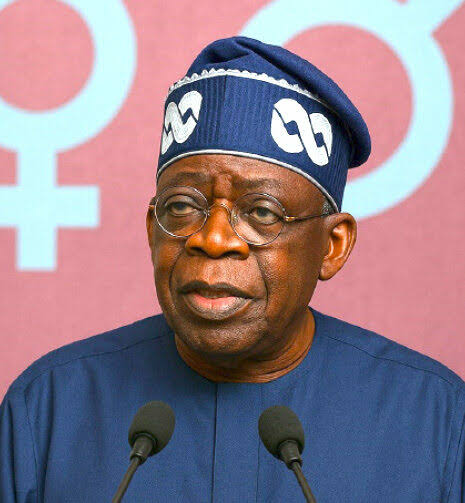
The Executive Chairman of the Nigeria Revenue Service (NRS), Dr. Zacch Adedeji recently rolled out an economic snapshot of the impact of President Bola Tinubu’s economic reforms.
The NRS boss released a detailed comparison of the nation’s economic performance indices from May 2023 baseline to Mid-2026 gains across key indicators in a live television interview recently.
NewsQuest presents the data below
repeatedly presented by the NRS chief executive officer as the “before-and-after” dashboard of macroeconomic and fiscal indicators to argue that President Tinubu’s reforms have moved Nigeria from crisis management into consolidation.
Read below…
(a) Domestic refining capacity
May 2023: 30,000 bpd
Mid-2026: 700,000 bpd (Nigeria’s first net petrol export recorded in March 2026)
(b) Tax revenue (FIRS/NRS)
May 2023: ₦12.3 trillion
Mid-2026: ₦28.3 trillion (2025) / ₦27.1 trillion (July 2026)
(c) Trade balance — May 2023: Marginal surplus of ₦44.7 billion
Mid-2026 —- ₦7.55 trillion surplus in Q1 2026
(d) Capital importation
May 2023 — US$3.9 billion
Mid-2026 — US$23.22 billion (2025)
(e) Solid minerals revenue
May 2023 —- ₦16 billion
Mid-2026: ₦70 billion (2025)
(f) NGX All-Share Index / market cap
May 2023: 55,738 points / ₦30.36 trillion
Mid-2026: 250,000 points / ₦161 trillion
(g) Out-of-school children
May 2023: 20 million (UNICEF estimate)
Mid-2026: 18.3–18.5 million (UNICEF)
(h) Minimum wage
May 2023: ₦30,000
Mid-2026: ₦70,000.
