


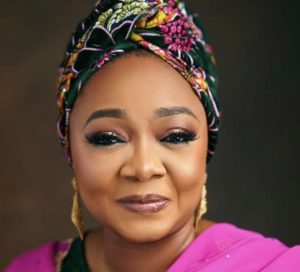


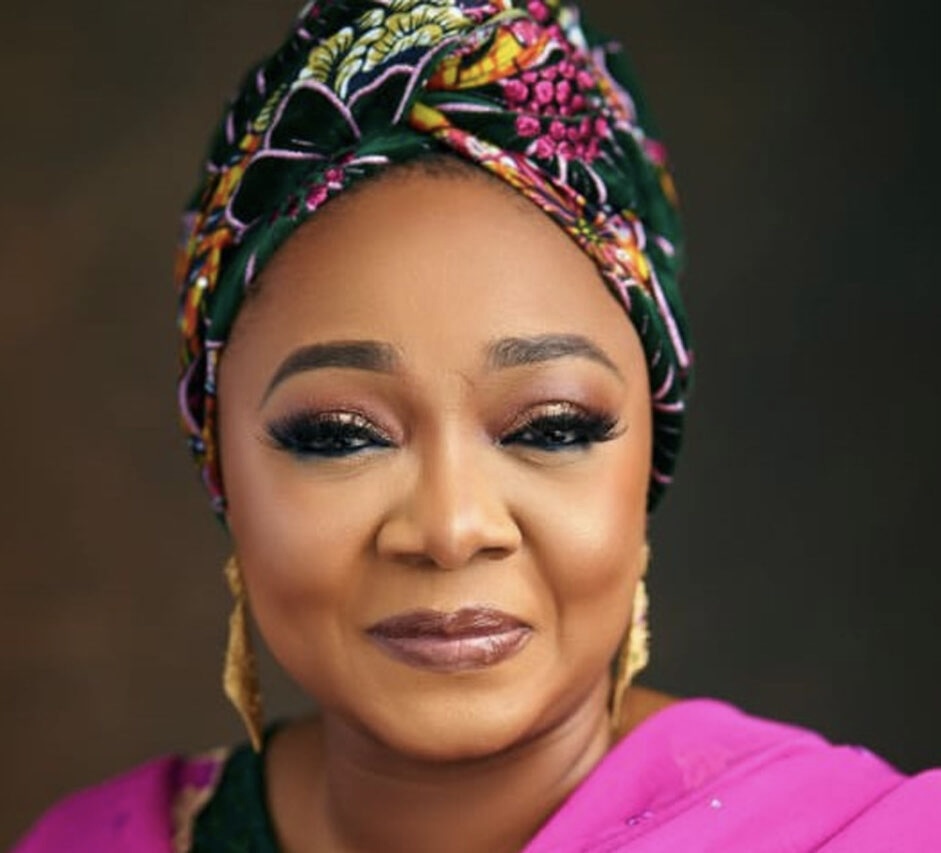


The Minister of Women Affairs on Thursday disclosed that Nigerian women are preparing to vote as a bloc in support of President Bola Tinubu, in solidarity with the administration’s social policies and emphasis on women’s participation, which has persuaded many female voters to back the government’s “Renewed Hope Agenda.”
Hajiya Imaan Sulaiman-Ibrahim disclosed this in an interview with journalists in New York, after a series of policy engagements involving women, child protection, clean cooking, and girls’ education on the sidelines of the United Nations General Assembly (UNGA-81).
Minister Suleiman-Ibrahim said “Politics is a game of interest, but as women, they have decided to vote as a bloc. The diaspora will not be left behind.”
NewsQuest reports that her comments signal a drive by the government to describe women not only as beneficiaries of social-policy initiatives but as a politically consequential constituency ahead of next year’s general elections.
Women frequently constitute the largest share of participants at community forums and public-engagement programmes, the Minister said, giving them an important role in shaping political opinion at household and grassroots levels.
“Whenever there is a gathering, most of the participants are always women. Women are the ones who like to engage, the Minister said.
Vice President Kashim had earlier met with Nigerians living in the United States of America where he shared and received feedback on many reforms embarked by the President Tinubu administration, and how they are impacting millions of lives in Nigeria.
Shettima at the event held at the Nigerian House, called on Nigerians abroad to support national cohesion, arguing that the country’s shared interests outweighed its ethnic, religious and regional divisions.
Hajiya Suleiman-Ibrahim told reporters that the central message for women at a town-hall meeting was that the Tinubu administration was a “government with a human face,” arguing that the President has brought greater humanity to governance and placed women at the centre of public policy.
“Mr. President is a president for women,” she said.
“Women are at the center of this administration, and we are going to come out en mass to show support, so that we can continue to put women at the center of the Renewed Hope Agenda.”
Speaking on the drive for Clean Cooking, the Minister described a string of social-impact programmes held alongside international partners, including UN Women and representatives of the Serbian and Croatian governments.
One of the discussions she said, focused on the protection of children in the digital space, amid growing concern over online exploitation, harassment and abuse.
Such risks increasingly cross national borders and require international coordination, she said.
“Abuse is beyond borders,” Minister Suleiman-Ibrahim said.
“Initially, it had to be face to face, but now, even online, we see a rise in abuse.”
She said Nigeria had recorded several troubling incidents in recent weeks, reinforcing the urgency of a coordinated response to digital violence against children and women.
The Ministry is also making clean cooking a priority, linking the issue to health, energy policy and women’s welfare. Exposure to smoke from traditional cooking fuels remains a major public-health concern, particularly for women and children who spend long periods around household cooking areas, she added.
Minister Suleiman-Ibrahim said Nigeria loses about 100,000 people annually to illnesses and deaths associated with exposure to cooking fumes, although the figure would require independent verification.
According to her, the present government aims to expand access to cleaner cooking methods by between 30 percent and 40 percent over the next three years.
“Countries like India, despite their population, have been able to achieve 95 percent clean cooking. Mr. President is not only focused on ensuring that we achieve this, but also on increasing LPG penetration,” the Minister said.
Nigeria, Africa’s largest oil producer, also holds significant natural-gas reserves. The government sees wider use of liquefied petroleum gas, or LPG, for household cooking as a way to reduce reliance on firewood, charcoal and other polluting fuels while creating demand for domestic gas.
The Ministry of Women Affairs is pursuing the programme with the Ministry of Gas Resources and other stakeholders, Minister Suleiman-Ibrahim said, adding that potential investors and development partners had shown strong interest.
“There is a lot of interest and appetite to support,” she said.
The Minister also cited gains in girls’ education and female graduation rates, while acknowledging that the government’s challenge is shifting from school enrolment to employment and economic opportunity.
Nigeria has recorded increased female participation and graduation across schools and postsecondary institutions, she said, including among candidates in examinations conducted by the West African Examinations Council and the National Examinations Council.
“Today, we have more females graduating,” she said.
“We have more women in WAEC and NECO, and we have more female graduates. So now the problem is how to prepare them for work.”
The Ministry’s next task, she said, is to ensure that more young women make a successful transition from education to jobs, enterprise and digital-economy opportunities. That includes programmes addressing out-of-school children, early marriage and child marriage – issues that continue to limit educational attainment and economic independence for girls in parts of the country.
Our correspondent gathered that the Tinubu’s administration argues that its policy agenda has made women more visible in government decision-making and in the delivery of social programmes.
Minister Suleiman-Ibrahim’s remarks further indicate the government’s effort to mobilize women around a policy message that combines welfare, health, education and economic inclusion.


