

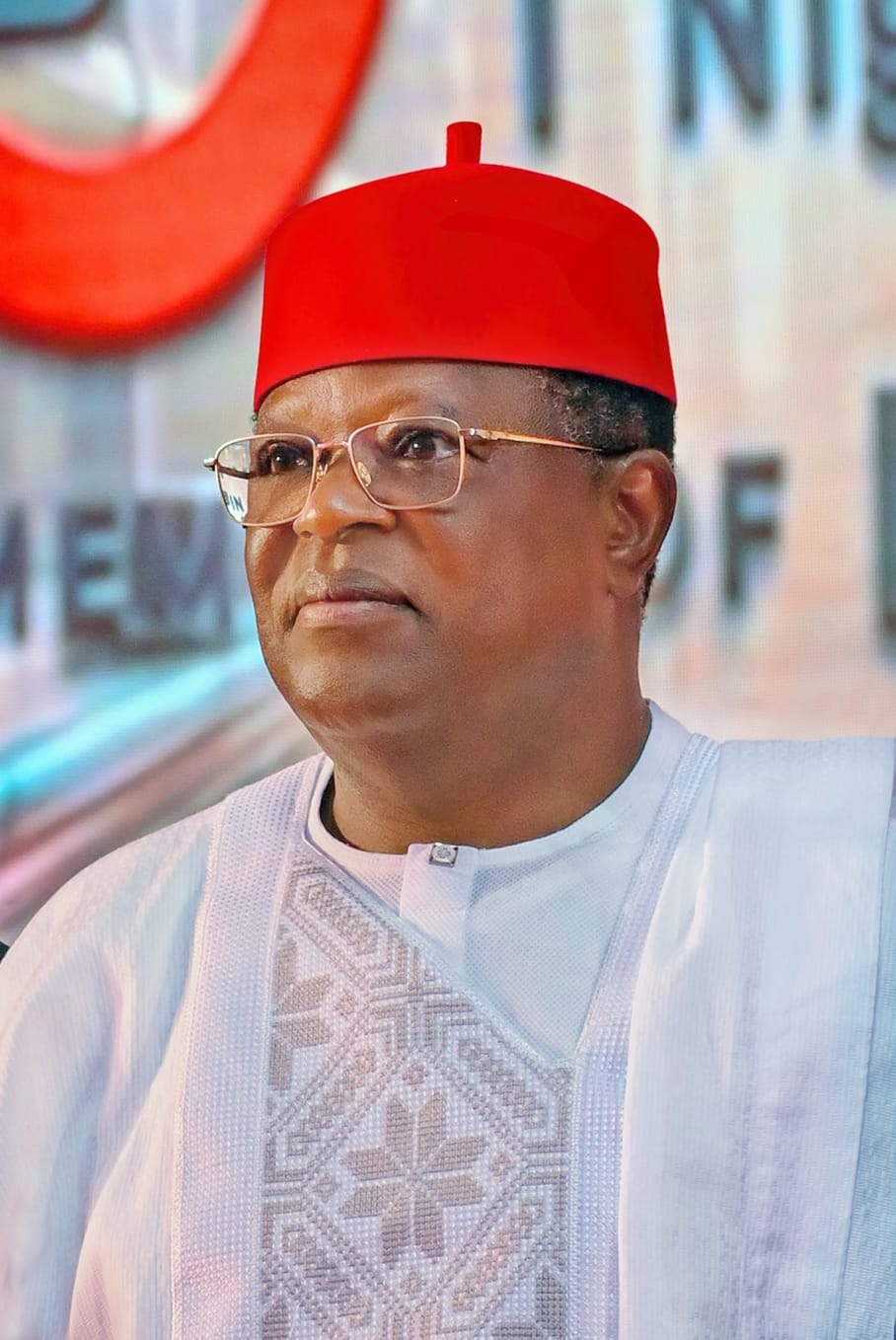
The Federal Government has said it plans to recruit 4,000 social media influencers to showcase infrastructure projects completed under President Bola Tinubu’s administration, Works Minister David Umahi said in Abuja.
The initiative, framed as a response to what he called a “social media war,” is aimed at communicating the government’s achievements directly to Nigerians, especially young voters, ahead of the 2027 general election.
Umahi disclosed the plan while receiving a report from the National Association of Nigerian Students (NANS) on its independent inspection of federal road projects across Kano, Jigawa, Kaduna and Sokoto states.
“We have to fight this social media war. We have to launch 4,000 social media influencers to tell our stories,” he said.
The Minister said the influencers network would help ensure Nigerians, particularly youths, have access to first-hand information on ongoing and completed federal infrastructure projects nationwide.
He said details on selection criteria, payment structures and the timeline for mobilising the influencers have not yet been disclosed.
During the same engagement, the Minister said the government would consider constructing pedestrian bridges around university campuses following concerns raised by NANS during its inspection tour.
He commended the students’ association for independently assessing federal projects and their impact on communities.
Umahi also provided an update on the flagship Lagos-Calabar Coastal Highway, saying the 105-kilometre pavement section under construction would be completed by November.
However, he raised concerns over vandalism along the corridor, noting that some individuals were destroying infrastructure and removing safety installations.
The highway, he disclosed, has faced sustained controversy over its environmental impact assessment (EIA), alignment and potential implications for flooding in Lagos.
The Federal Ministry of Environment conducted public-display exercises for the environmental and social impact assessment reports for sections one and two of the project, covering the first 104 kilometres, the Minister said.
He said the project came under renewed scrutiny following flooding in parts of Lagos, with some stakeholders calling for an independent assessment of whether the highway’s alignment, construction and drainage system contributed to the inundation.
Real estate stakeholders and community leaders have urged a probe into the highway’s design and alignment, citing concerns that sections were built at levels significantly higher than surrounding communities.
The Federal Government has, however, rejected claims that the coastal highway caused flooding in Lagos.
The Minister said the road was designed to mitigate flooding, adding that drainage infrastructure was incorporated into the project to evacuate water from surrounding areas.
Unahi said engineering assessments attributed recurring floods to poor urban planning, inadequate drainage, indiscriminate refuse dumping and climate-change effects rather than the highway itself.
Umahi urged Nigerians to protect public infrastructure.
He said the government would continue to engage citizens in monitoring its projects.
The Minister’s remarks underscores the administration’s push to shape the narrative around its infrastructure record as political campaigning for 2027 intensifies.
