

Fears of violence ahead of the 2027 general elections have heightened following the killing of six persons during an attack on the campaign entourage of former Deputy Senate President, Ovie Omo-Agege, in Uduere community, Ughelli North Local Government Area of Delta State, on Monday.
The incident, which occurred barely two months to the January 16, 2027 presidential election, has drawn condemnation from the Inspector-General of Police (IGP) Tunji Disu, and the Independent National Electoral Commission (INEC), while opposition parties warned that continued attacks on their candidates and supporters could push them to resort to self-defence.
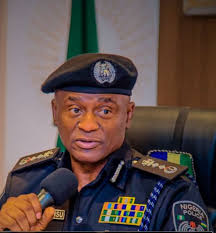
Disu warned politicians on Tuesday against turning the January 16, 2027 presidential election into “a theatre of violence,” pledging to arrest and prosecute anyone involved in attacks on opponents, destruction of campaign venues or use of dangerous weapons.
But opposition parties said continued attacks on their candidates and supporters could push them toward self-defense, exposing a widening rift over whether security agencies can protect political activity evenly ahead of the vote.
Police confirmed six deaths, while Omo-Agege’s campaign organization initially reported four.
At a meeting in Abuja with the Independent National Electoral Commission (INEC), party leaders, civil-society groups and other stakeholders, Disu described the violence as a threat to public peace and democratic participation.
He cited attacks on campaign venues, clashes among supporters, intimidation and the use of weapons as developments requiring urgent action.
“Political competition must never become justification for violence,” Disu said.
“Democracy gives citizens an opportunity to freely express their political preferences… without fear of intimidation.”
He said the police would remain neutral, adding that party affiliation, political office or personal influence would not shield offenders from prosecution.
Several opposition parties said the government had failed to provide adequate security for their candidates and supporters.
The Nigeria Democratic Congress (NDC) boycotted the meeting, accusing the police of bias and failing to prevent attacks allegedly carried out by supporters of the ruling All Progressives Congress ( APC).
In a statement, NDC National Publicity Secretary Osa Director said the party no longer felt protected by the police and would not “lend legitimacy” to a process it said had failed to safeguard its members.
The party cited reported attacks in Benue, Edo, Cross River, Enugu and Delta states, including the killing of four members in Delta.
The African Democratic Congress (ADC) said it supported nonviolence but would not deny members the right to defend themselves.
Publicity Secretary of the ADC, Bolaji Abdullahi warned that if citizens believed the state could no longer protect them, they might resort to self-help, with potentially destabilizing consequences.
The Labour Party (LP) and Allied Peoples Movement (APM) made similar appeals for equal protection, with the APM warning that “no political party has a monopoly on violence.”
The Peoples Democratic Party (PDP) urged its members not to take the law into their own hands and called for specialized courts to ensure rapid prosecution of electoral-violence offenders.
Its Publicity Secretary, Jungudo Muhammad said swift punishment would deter future violence.
The ruling APC likewise rejected reprisals and self-help.
National Chairman Professor Nentawe Yilwatda, through his media aide, said the party would work with security agencies to protect members while urging supporters to report threats through official channels.
The Social Democratic Party (SDP) called for equal security for all parties, warning that any perception of police bias could erode public confidence in the election.
INEC Chairman Professor Joash Amupitan said violence could undermine the credibility of the election before voting begins.
He urged politicians to treat campaigns as an opportunity to present their programs rather than intimidate opponents.
“When participants cannot assemble, campaign or organize themselves… the political process is compromised long before election day,” Amupitan said.
He cited sections 95, 96 and 97 of the Electoral Act 2026, reminding parties of their obligation to conduct peaceful campaigns and warning against organizing armed groups or political vanguards.
INEC said it would convene a security conference on Thursday with service chiefs, police and members of the Inter-Agency Consultative Committee on Election Security.
The Delta killings were the latest in a series of incidents across the country.
President Bola Tinubu’s convoy was reportedly attacked in Abuja on November 13 after Friday prayers.
In Kano, suspected thugs attacked the convoy of NDC Vice-Presidential candidate Senator Rabiu Kwankwaso and the party’s governorship candidate, damaging several vehicles and injuring supporters, according to the party’s campaign organization.
Earlier in November, NDC presidential candidate Peter Obi’s convoy was attacked in Calabar, while some of his supporters were assaulted at a town hall in Lagos.
Supporters of ADC presidential candidate former Vice President Atiku Abubakar also reported attacks in Benin, Kaduna and Cross River State.
African Action Congress (AAC)’s candidate Omoyele Sowore and members of his entourage were attacked in Ado-Ekiti on October 30.
Former Chief Justice of Nigeria (CJN) Olukayode Ariwoola warned against a repeat of the violence that followed 2011 general elections, in which more than 800 people were killed, according to Human Rights Watch.
“Democracy thrives on the peaceful contestation of ideas and visions, not on bloodshed or coercion,” Ariwoola said in Abuja, urging security agencies to deploy personnel to campaign venues, arrest perpetrators and confiscate weapons.
President Bola Tinubu recently condemned political violence and directed security agencies to act firmly against those threatening public order.
“Every form of violence stands condemned,” he said, urging politicians to focus on issues and the contestation of ideas.
With less than two months until the presidential election, the challenge for the authorities is to convince political parties, and voters, that campaigns can proceed without becoming a battleground.
