


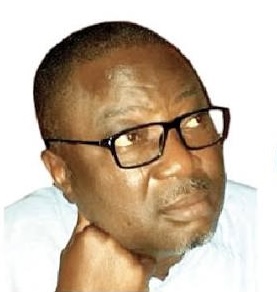



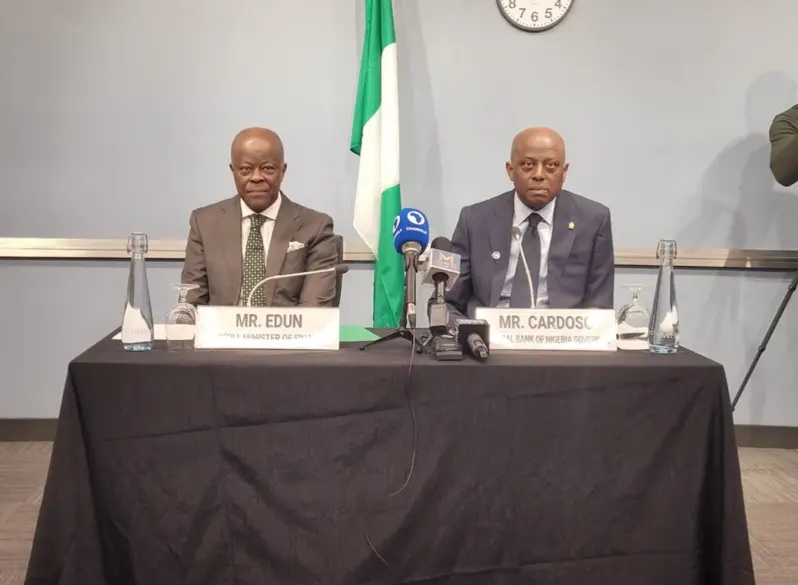


Minister of Finance and Coordinating Minister of the Economy Wale Edun has said that the bold reforms being implemented by President Bola Tinubu are proving durable and self-sustaining, paving the way for a shift from stabilization to robust economic growth.
Speaking at a press briefing during the World Bank and International Monetary Fund (IMF) spring meetings in Washingron, Minister Edun credited policies launched in mid-2023 with steadying the economy amid global headwinds including export tensions, trade uncertainty and tightening financial conditions.
“Building prosperity through policy reflects Nigeria’s commitment to credible and disciplined macroeconomic reforms,” Minister Edun said.
Market-based foreign exchange and fuel pricing, he added, have bolstered resilience against external shocks.
Inflation remains a chief risk, fueled by energy, food and logistics costs, but the government is countering it with targeted social protections and agricultural programs while upholding fiscal discipline and shunning inefficient subsidies.
Economic growth has topped 4%, foreign reserves have climbed to about $50 billion, inflation is easing and public debt stays at sustainable levels, the Minister added.
According to him, the reforms are spurring domestic production and private-sector confidence, evidenced by projects like the Dangote Refinery and incentives boosting small and medium enterprises.
“Nigeria is transitioning from stabilization to growth acceleration and job creation,” he said, noting power, agriculture, infrastructure and digital innovation as key drivers.
Development partners have reaffirmed backing for these priorities, with investor interest surging in energy, agribusiness and infrastructure.
The Federal Government also pushed for reforms to lower capital costs for developing nations.
“I am confident that reforms will drive sustainable growth and reduce poverty,”
Minister Edun said, while praising the Nigerian delegation and pledging to draw more investment.
Governor of the Central Bank of Nigeria (CBN), Olayemi Cardoso echoed the optimism, noting that the meetings reviewed reform progress and bolstered institutional capacity.
Despite geopolitical strains stoking global inflation and market volatility, Nigeria has managed shocks via exchange-rate stability and reserve buildup, he added.
Banking-sector recapitalization has mobilized 4.65 trillion naira ($2.8 billion), with 33 banks meeting new capital thresholds by the March 31 deadline.
Domestic investors supplied 72.55% of the funds, international sources 27.45%, signaling strong faith in the sector.
“The programme strengthens the resilience of the financial system and enhances its capacity to support the economy,”Cardoso said.
Nigeria, he added, is committed to a stable financial framework to fuel enduring growth and investment.


