


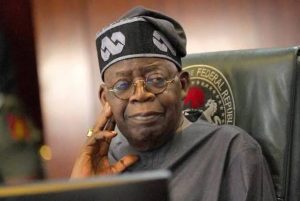



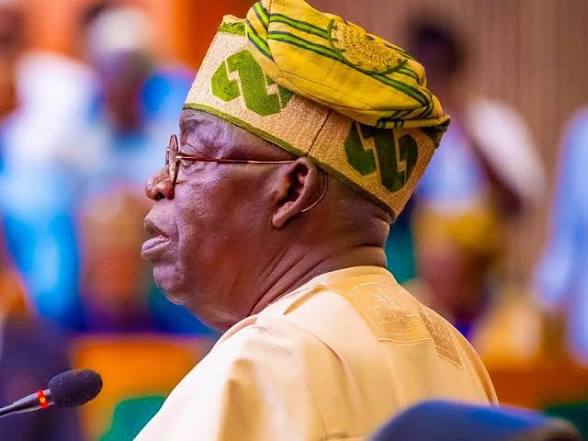


The Presidency on Wednesday declared that President Bola Tinubu’s economic reforms have significantly support s in lifting corporate earnings in the first half of 2026.
Special Adviser on Information and Strategy Bayo Onanuga in a statement said the presidency bold interventions including currency unification, energy-sector approvals and fiscal adjustments were key drivers of stronger results on the Nigerian Exchange.


The presidential spokesman credited the administration’s 2023 decision to unify the foreign‑exchange market with improving price discovery and allowing companies with significant dollar exposure to translate foreign revenue into naira more accurately.
He said export-oriented oil and gas firms such as Aradel Holdings and Seplat Energy were singled out as beneficiaries because their receipts track international oil prices and are often settled in foreign currency.
The statement noted a string of approvals for upstream transactions as another catalyst for improved corporate performance.
He said regulators cleared the Renaissance Africa Energy consortium’s acquisition of assets from Shell Petroleum Development Company, a deal in which Aradel is a consortium member, and approved Seplat Energy’s takeover of Mobil Producing Nigeria Unlimited assets.
Onanuga explained that those clearances removed regulatory uncertainty, expanded reserves and production capacity, and positioned the buyers for higher long‑term output and earnings.
He also pointed to a policy allowing naira payment for crude and the removal of the petrol subsidy as measures that have reshaped domestic energy economics.
The statement noted that Dangote Refinery has emerged as a net exporter of petrol and aviation fuel, and argued that stronger public finances freed by subsidy removal have bolstered fiscal space for infrastructure and supported macroeconomic stability.
The presidential aide also noted that manufacturers and industrial groups benefited from a more predictable currency, while cem nt the producers including Dangote Cement, BUA Cement and HBM (formerly Lafarge Africa) also gained from improved access to foreign exchange, enabling steadier procurement of imported inputs, fewer supply bottlenecks and better production planning.
He listed monetary tightening, banking sector recapitalisation and financial‑sector reforms as complementary factors.
According to Onanuga, those measures have moderated inflation, improved liquidity conditions and increased banks’ capacity to underwrite large corporate financing, while tax reforms have streamlined administration and broadened the revenue base.
Taken together, Onanuga argued that the measures improved market efficiency, strengthened macroeconomic fundamentals and increased investor confidence—changes that are visible in higher revenues and earnings before tax across many listed companies.


