




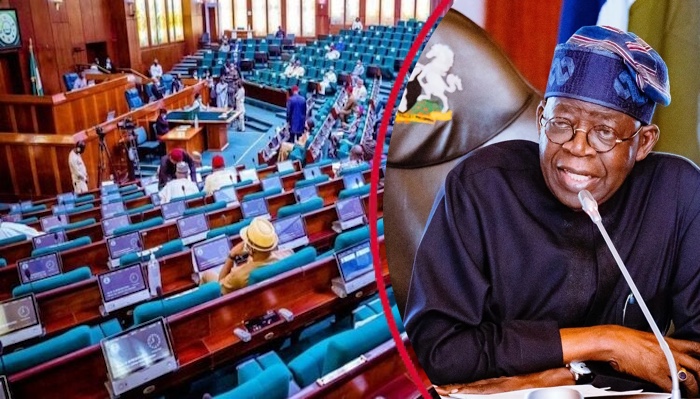


President Bola Tinubu has urged the House of Representatives to expedite consideration and approval of the Niger Delta Development Commission’s 2026 statutory budget, outlining a spending plan focused on youth empowerment, electricity, education, health care, security and agriculture.
In a letter dated August 20, 2026, addressed to House Speaker Tajudeen Abbas, Tinubu transmitted the NDDC’s 2026 statutory budget proposal for legislative consideration, saying it was prepared by the Minister of Niger Delta Development in line with Section 121 of Nigeria’s Constitution.
The president said the proposal reflects the commission’s projected revenue and expenditure and aligns with the federal government’s fiscal and development policies, including the Renewed Hope Agenda and the 2024–2026 Economic Recovery and Growth Plan.
Tinubu said the commission’s 2026 priorities are designed to tackle long-standing development gaps in the oil-producing region while expanding economic opportunities for residents.
He listed the following focus areas: youth empowerment; energy and power supply; education; industrial and enterprise development; health; security; and higher agricultural productivity.
The emphasis on youth and enterprise development responds to the region’s large youth population and persistent concerns about unemployment, skills training and access to sustainable livelihoods.
The president called on the House to give the proposal prompt consideration, noting that it would now be subject to committee review and further scrutiny before passage.
The NDDC, established under the Niger Delta Development Commission (Establishment, etc.) Act, is mandated to formulate and implement projects and programs to address developmental needs in the region, with past interventions spanning roads, education, health care, water, skills acquisition and agriculture.
Earlier in 2026, the House of Representatives passed a ₦1.75 trillion statutory budget for the NDDC for the 2026 fiscal year, with the bulk of funds—about ₦1.63 trillion—earmarked for development projects across the nine Niger Delta states.
A significant share of that allocation is expected to support roads, shoreline protection, electricity projects, health facilities, education and youth empowerment programs.


