






Minister of the Federal Capital Territory (FCT) Nyesom Wike on said Wednesday that President Bola Tinubu cannot dictate how states and local governments spend extra revenue generated after the removal of the petrol subsidy, shifting the spotlight to fiscal accountability at the subnational level.
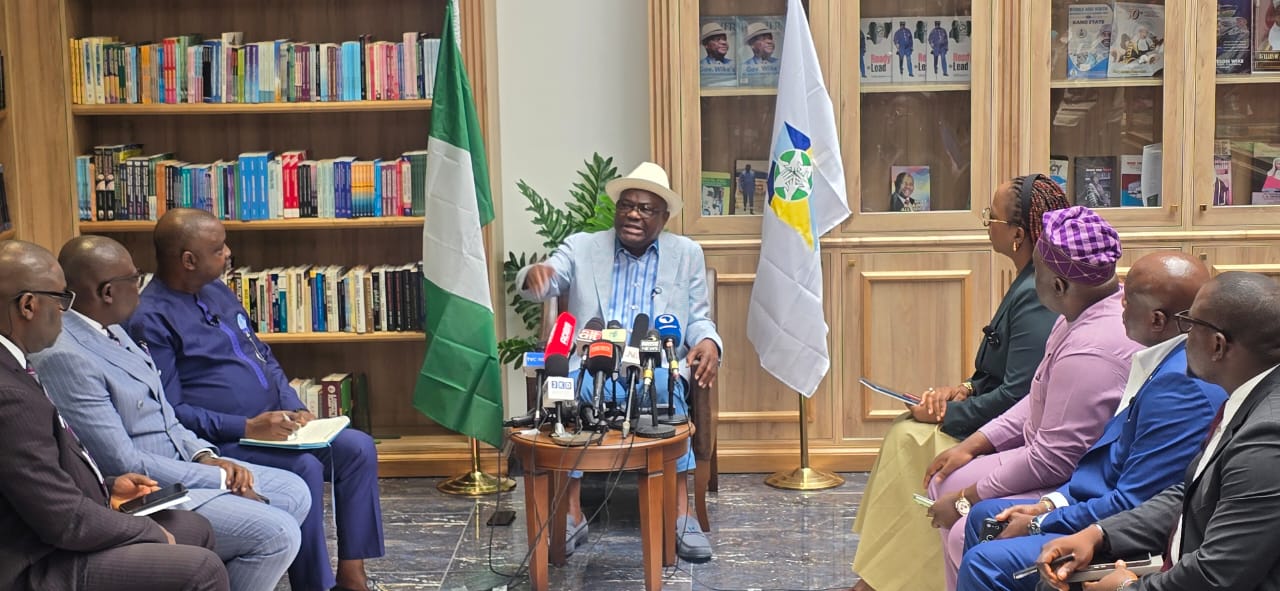
Speaking at a media briefing in Port Harcourt, the FCT Minister was responding to comments by Peter Obi, former Anambra State governor and 2023 presidential candidate of the Nigeria Democratic Congress (NDC) in the 2027 presidential election who has questioned how money from the subsidy cut will be used.
Minister Wike said critics should target governors and local officials rather than the presidency.
“All he should have asked is, ‘Having removed the subsidy, what do you do with the gains?’” Wike said.
“Tinubu has no power to say, ‘State, this is what you should do with the funds that you’ve brought in from the fuel subsidy. He has no power to tell local governments what to do with their money. All tiers of government are independent,” the Minister stressed.
Minister Wike said the federal government has already shared the windfall from subsidy removal with subnational governments, arguing the transfers have eased tight finances in many states.
He credited the policy with helping some state administrations end salary and pension arrears and resume development projects.
“Today states are saying, unlike before, we can’t pay salaries or pensions, and there are strikes all over the place. Now there are no strikes; there are advantages. Now, I have money to carry out projects,” he said.
The Minister defended President Tinubu’s decision to eliminate the petrol subsidy as a politically difficult but necessary step that previous administrations had shunned.
He called on state and local officials to provide transparent accounting of the additional funds.
“Tinubu deserves kudos for taking the bold decision no president took. Now, it’s time for states to account for the funds they have gotten,” Wike said.
NewsQuest reports that the dispute highlights an emerging fault line in the country’s post‑subsidy fiscal politics: while the federal government has described the reform as a national economic necessity, critics have pressed for clarity on how redistributed resources are being deployed across states and municipalities.
Our correspondent gathered that Governors, who control much of the on‑the‑ground spending, will increasingly shape whether the policy delivers visible public‑service improvements ahead of future elections.


