







The Federal Government and the Niger Delta Development Commission (NNDC), said Thursday they will seek to mobilize $500 million in private capital to transform the oil-rich Niger Delta into a major agribusiness center, declaring the region open for large-scale agricultural investment.
The initiative, a joint effort of the Office of the Vice President and the NDDC, will be launched at the inaugural Niger Delta Agriculture Development and Investment Summit on July 15 in Abuja.


NewsQuest reports that the summit, themed “Unlocking Investment for Sustainable Agricultural Transformation in the Niger Delta,” is expected to draw about 500 participants, including international investors, development-finance institutions, agribusiness firms and government officials.
Senator Ibrahim Hadejia, Deputy Chief of Staff to President Bola Tinubu, said the summit is a signature element of the administration’s push to diversify the economy away from oil.
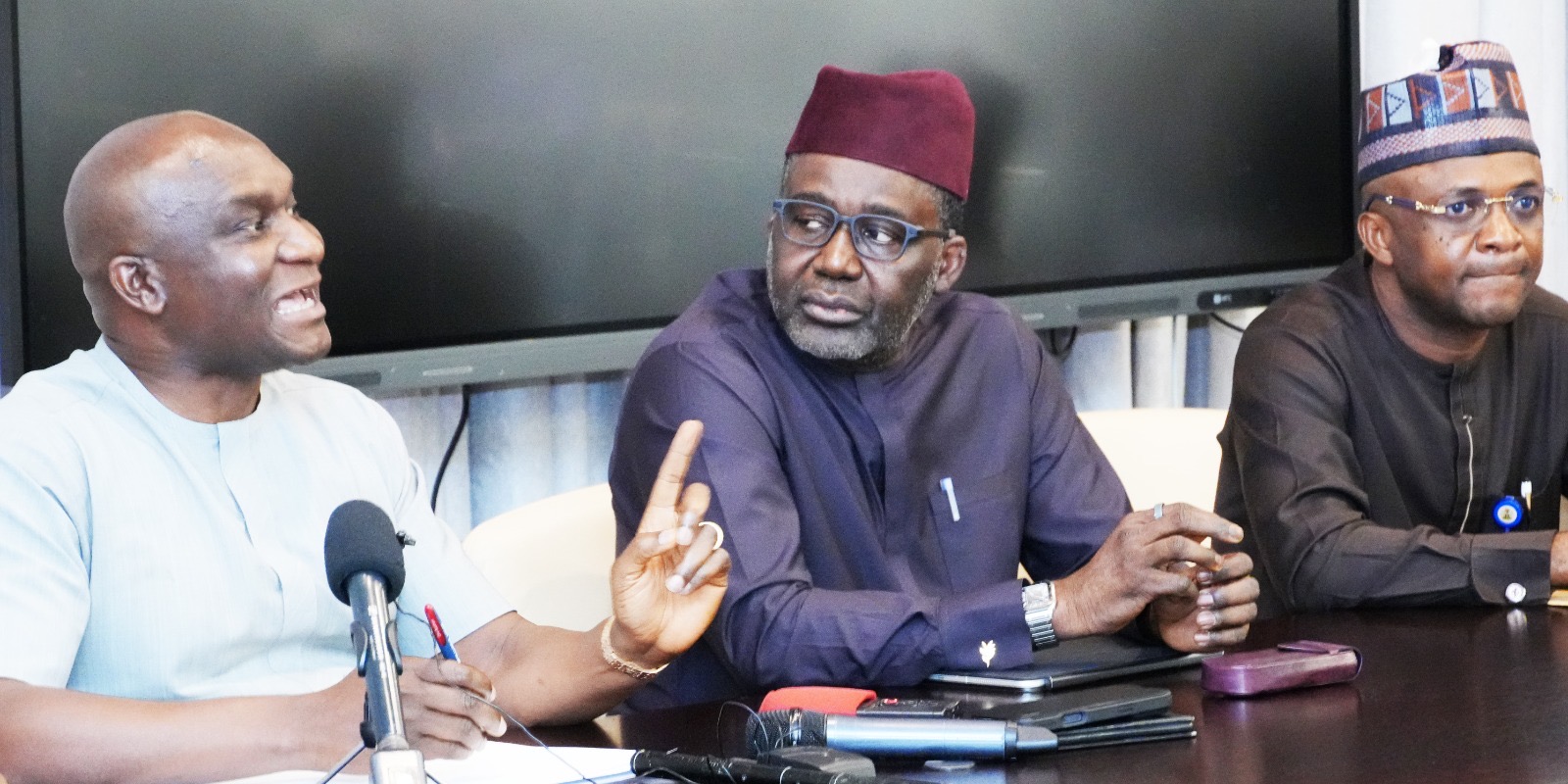
Speaking to reporters at a pre-summit press conference at the Presidential Villa, Hadejia described the event as a vehicle for converting “potential to performance,” by attracting capital, coordinating policy and addressing structural constraints that have stymied agricultural expansion in the region.
“The summit aligns with our national vision of a resilient, diversified economy in which agriculture plays a central role,” Hadejia said, adding that the program enjoys presidential endorsement.
NDDC Managing Director Dr. Samuel Ogbuku said the commission aims to structure a $500 million fund to catalyze commercial farming across the nine Niger Delta states.
He described the summit as an investment marketplace—rather than a policy forum—designed to link projects to funders and development partners.
“We are moving agriculture in the Niger Delta from subsistence to large-scale commercial production,” Dr. Ogbuku said.
“The target is to mobilize a $500 million investment fund that will catalyze agricultural development across the region.”
Both the Federal Government and the NDDC chose Abuja to host the event to improve access for diplomats, donor agencies and international financiers, Dr. Ogbuku said.
He also emphasized the Office of the Vice President’s role in coordinating federal economic and food-security programmes, and said the NDDC intends to replace short-term interventions with sustainable financing mechanisms that attract private capital.
Details released by the commission indicate the proposed fund will combine equity participation with direct capital mobilization and be managed to international standards.
The NDDC said it has established a Niger Delta Chamber of Commerce as a vehicle for structured agribusiness financing and has provided N5 billion to support small and medium enterprises under a repayable framework.
The commission also plans to promote out-grower schemes linking farmers with guaranteed off-takers and to partner with private investors to build modern storage facilities to cut post-harvest losses.
Dr. Ogbuku said these measures are intended to shore up the entire value chain after earlier projects stumbled because of inconsistent raw-material supplies.
“You cannot build processing facilities without guaranteeing raw materials,” he said, recalling an NDDC-supported rice mill in Rivers State that underperformed because of inadequate paddy supplies.
The NDDC also said it remains a co-funder of the International Fund for Agricultural Development–supported LIFE-ND program and continues to back smallholder farmers.
On cropping priorities, Dr. Ogbuku warned that rising industrial demand—for example, for cassava—must be balanced against domestic food security needs.
Addressing investor concerns about safety, he said improved peace and stability have made the Niger Delta “one of the safest regions in Nigeria for investment.”
Dr. Ogbuku added that all nine state governments in the region had endorsed the initiative during a recent regional retreat.
The summit comes as the Tinubu administration looks for non-oil growth drivers amid persistent fiscal pressures and calls to broaden the tax and revenue base.
Whether the $500 million target will translate into long-term private-sector commitments will hinge on the clarity of project pipelines, guarantees offered to investors and sustained coordination between federal and regional stakeholders.