







Nigeria and the African Development Bank (AfDB) have agreed to back a minerals-processing corridor linking Lagos to Dakar.
AfDB said at the weekend that the step aims to turn raw deposits into higher-value exports and lure private investors into the region.
The pact emerged from a ministerial forum on “critical minerals, value chain and beneficiation” convened by the AfDB in Abidjan, Côte d’Ivoire.
Under the plan, countries along the route would specialise as processing hubs for particular minerals, sharing costs, risks and the rewards of downstream development.
“We must convert Africa’s abundant mineral resources into sustainable growth,” AfDB President Sidi Ould Tah said in a welcome address, noting that the continent’s mineral wealth has yet to translate into comparable gains in gross domestic product.
He also highlighted persistently low foreign direct investment into the sector, calling it “a paradox of opportunity without adequate finance.”
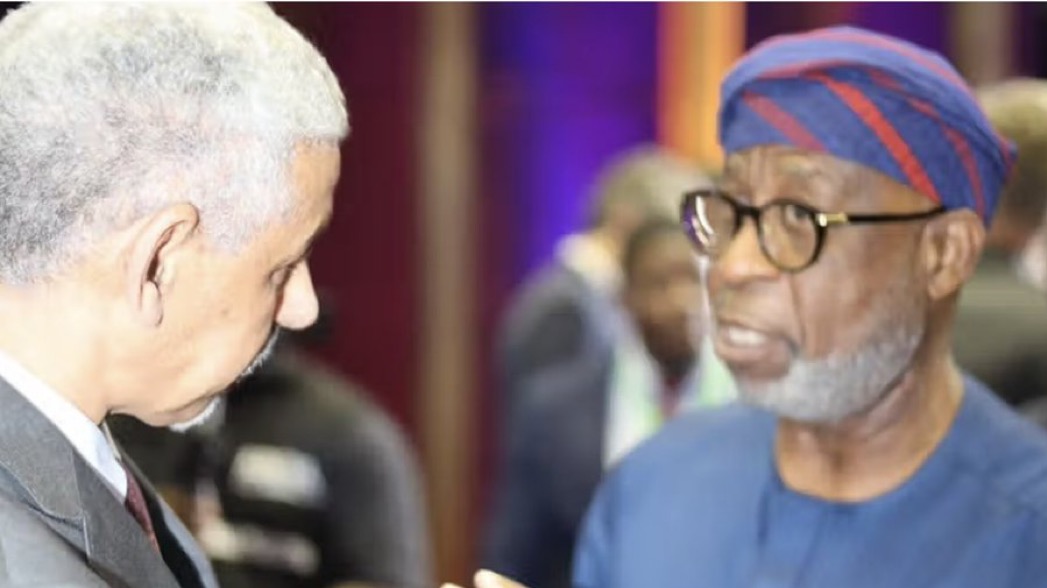
Minister of Solid Minerals Development, Dele Alake, who proposed the corridor and chairs the Africa Mineral Strategy Group, said the model was inspired by the Lobito Corridor in southern Africa.
He said that by concentrating processing capacity in selected hubs, West African states could lower costs and attract scale-dependent investors that single countries could not secure on their own.
In the so-called Abidjan Declaration, the AfDB pledged to deploy its financing tools, capital-structuring expertise and technical assistance to help mineral-producing countries build bankable projects and attract investment.
The declaration said the bank would work to de-risk strategic projects, finance critical infrastructure and accelerate the creation of competitive value chains in critical minerals.
Alake also pressed for African control over the technical standards and data used to assess mineral deposits, urging adoption of the Pan African Resource Reporting Code instead of the Australia-based Joint Ore Reserves Committee standard.
“Value addition must move beyond rhetoric to concrete strategies that put us in control of our natural assets,” he told delegates.
The forum drew more than 20 ministers responsible for mining, energy and industry, as well as representatives from the African Export-Import Bank, the U.S. Export-Import Bank and mining companies from Germany, Canada and the United States.
Delegates noted that intra-African trade remains low—about 16% of total trade versus roughly 60% in Asia and 70% in Europe—pointing to trade fragmentation as a barrier to regional industrialisation.


