




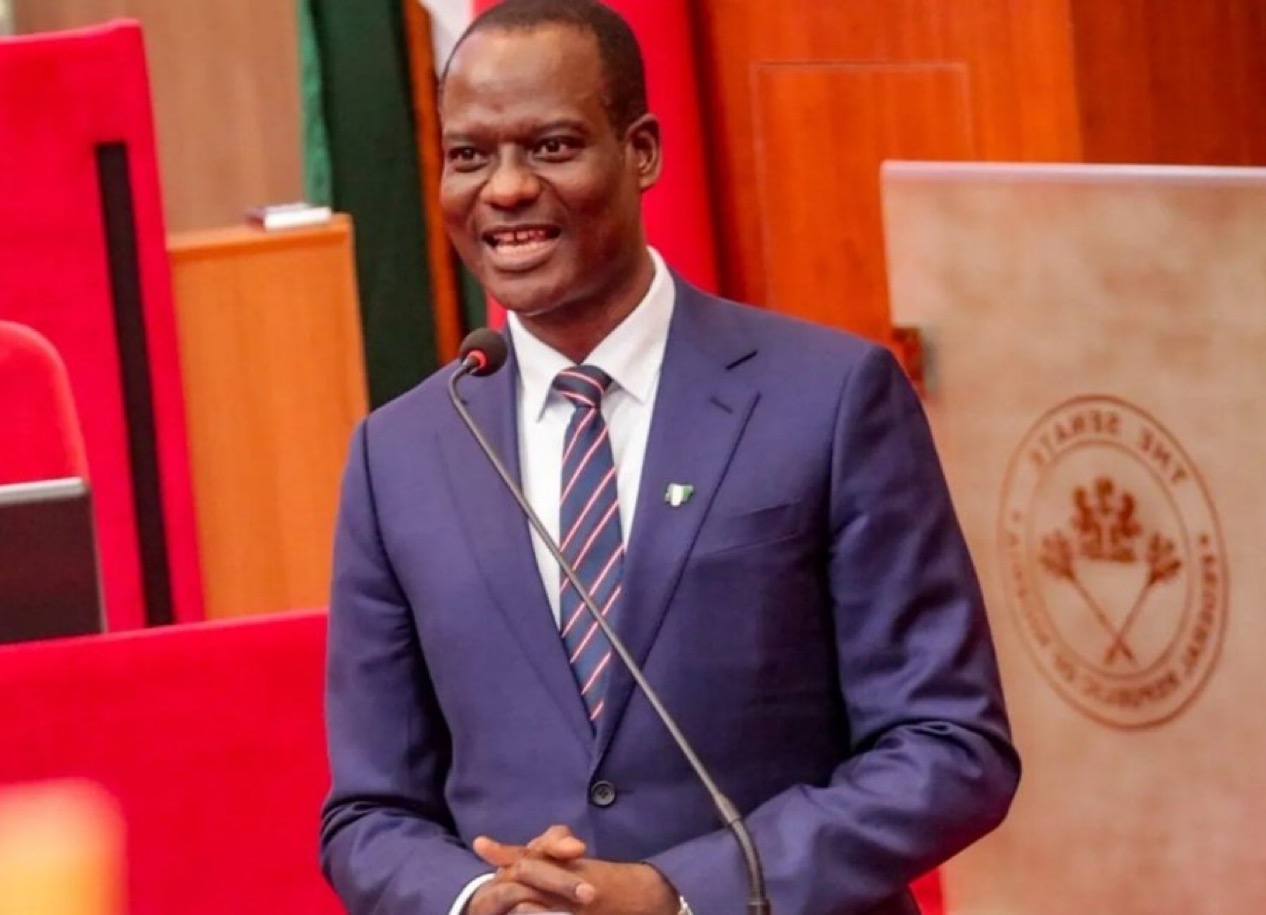


The Minister of Finance and Coordinating Minister of the Economy Taiwo Oyedele on Monday told the Senate that the nation’s recent surge in reported public debt largely reflects accounting shifts tied to naira depreciation and the formal recognition of past obligations, disputing claims that President Bola Tinubu’s administration has engaged in heavy new borrowing.
Oyedele who testified before the Senate Committee on Finance, opposed assertions from some lawmakers that the government had added roughly N80 trillion to the N75 trillion debt it inherited.
He said those comparisons ignore currency revaluations and securitisations that have inflated the naira-denominated headline figure.
“When this administration came into office, public debt was around N75 trillion,” Oyedele said.
“Many people simply compare that figure with today’s debt stock and conclude that this government has borrowed massively. However, following reforms and the depreciation of the naira, the foreign‑currency component of our public debt had to be revalued because Nigeria reports its debt in naira. That accounting adjustment alone added more than N40 trillion to the public debt figure.”
Oyedele also blamed the securitisation of ways-and-means advances—short-term Central Bank credit extended under the previous administration—for further inflating the official total.
“About N33 trillion was added to the public debt through that process. It was not new borrowing; it was simply bringing previously existing obligations onto the official debt books,” he said.
The Minister said domestic borrowing during the Tinubu administration has largely been refinancing maturing obligations rather than creating fresh liabilities.
He described the government’s approach as cautious and growth-oriented, arguing that loans should be used as leverage to fund infrastructure and projects that yield returns exceeding the cost of debt.
The session grew tense as Senators pressed on budget execution.
Tahir Monguno, the Senate Chief Whip, and Adamu Aliero, who represents Kebbi Central, criticized the slow rollout of the capital component of the 2026 budget.
Monguno warned that failure to implement the capital budget could amount to an impeachable offense.
Sani Musa, chairman of the Senate Committee on Finance, said after a closed-door meeting with Oyedele and the economic team that steps are being taken to accelerate capital spending and that coordination between the legislature and the executive is improving.
NewsQuest reports that the debate highlights broader concerns about transparency and fiscal management as the country navigates currency reforms and seeks to reconcile public perceptions with technical accounting changes that have swollen the headline debt figure.