







The Minister of Water Resources and Sanitation said that the Federal Government has built and rehabilitated more than 6,700 water schemes across the country, delivering safe drinking water to millions of people.
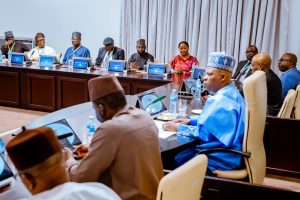
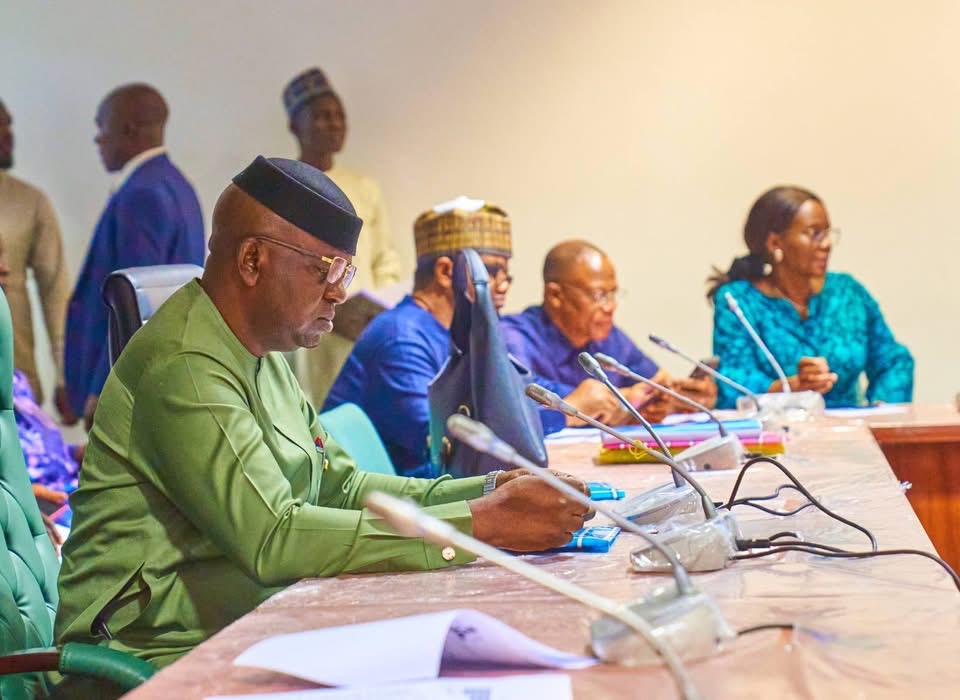
Professor Utsev stated this while defending the Ministry’s N98.1bn 2026 budget before the House of Representatives committee on water resources.


He highlighted 500 rural water projects—powered by solar boreholes and reticulation systems—that have served over 2 million people in remote communities.
Speaking on dams and energy, Professor Utsev noted the completed Kashimbila multipurpose dam, which includes a 40MW hydropower plant now feeding the national grid, plus an operational airstrip built via public-private partnership.
“Combined with Gurara and Dadin Kowa dams, this adds 110MW to Nigeria’s renewable energy capacity,” the Minister said.
According to Minister Utsev, progress continues on major sites including Mangu, Adada, Ogbese, Farin Ruwa and Alau, alongside smaller reservoirs.
Miniater Utsev told the lawmakers that in the area of sanitation, the Ministry has erected 5,238 facilities across the country, with 168 local government areas now certified open defecation-free.
Two national water quality labs—one in Asaba, Delta state, the other in Umuahia, Abia state—are also complete.
Minister Utsev prioritised finishing dams and irrigation projects in the coming year to bolster agriculture and food security.
He reaffirmed commitments to the Sustainable Power and Irrigation for Nigeria (Spin) project, the Surwash water, sanitation and hygiene programme, ending open defecation by 2030, and flood/drought mitigation efforts.
A statement by the Personal Assistant on Media and Publicity Terhemen Oraduen said so far, 26 States qualify for Spin, which rehabilitates dams and irrigation to ramp up food production and hydropower.
With sufficient funding, the Ministry aims to create jobs, cut poverty and enhance wellbeing, Utsev told the committee.
Chairman Sada Soli and Deputy Muktar Chawal of the House of Representatives Committee pledged rigorous scrutiny for swift passage, plus oversight visits to dams and irrigation sites to verify progress.