





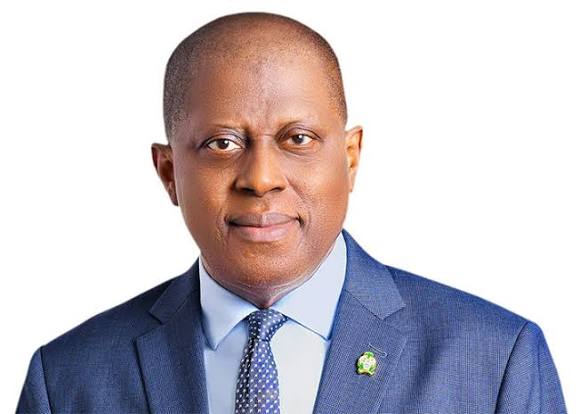


Governor of the Central Bank of Nigeria (CBN), Olayemi Cardoso has declared that a sweeping set of monetary reforms have fortified the country’s economy against global turbulence, restoring investor trust at a critical juncture.
Speaking at the Africa Capital Forum organized alongside President Bola Tinubu’s state visit to Britain and co-hosted by the CBN and Britain’s Foreign, Commonwealth and Development Office, Cardoso explained how recent changes have injected transparency and liquidity into the foreign exchange market.


A new FX manual, he said, has dismantled capital controls and streamlined trade and investment.
“We will continue to maintain stability, not only on inflation, but in the FX market, with more transparency and consistent reporting,” Cardoso told the audience, under the forum’s theme banner of “From Stabilisation to Capital Mobilisation.”
He outlined a revamped payments system vision to cement Nigeria’s role in digital and cross-border finance, alongside banking recapitalization where over 30 institutions have complied with higher capital rules — 28 percent funded by foreign investors.
Cardoso said Diaspora remittances are surging, diversifying foreign exchange sources, while inflation has eased and the exchange rate stabilized.
. “Our focus going forward is to protect the hard-earned stability we have accomplished so investors and stakeholders can plan with confidence.”
Governor Cardoso who argued that the reforms mark a pivot from crisis management to growth, urged tighter coordination between monetary and fiscal policymakers — now enhanced by their inclusion on the bank’s board and monetary policy committee.
The Central Bank is also partnering with fintech firms to ease regulatory hurdles.
Jonny Baxter, Britain’s deputy high commissioner to Nigeria, called for channeling investor interest into “long-term sustainable investments,” with the UK as a vital partner in banking and capital markets.
Odile Renaud-Basso, president of the European Bank for Reconstruction and Development, in his remarks, praised Nigeria’s “potential in the economic stabilisation … the growth of the population, the appetite, and the investment in new technologies.”
Steve Gray of UK Export Finance tied confidence to transparency: “The reforms in Nigeria are providing transparency and building confidence.”
Melis Ekmen Tabojer of the EBRD added that the changes have reshaped investor behavior and policymaking.


