

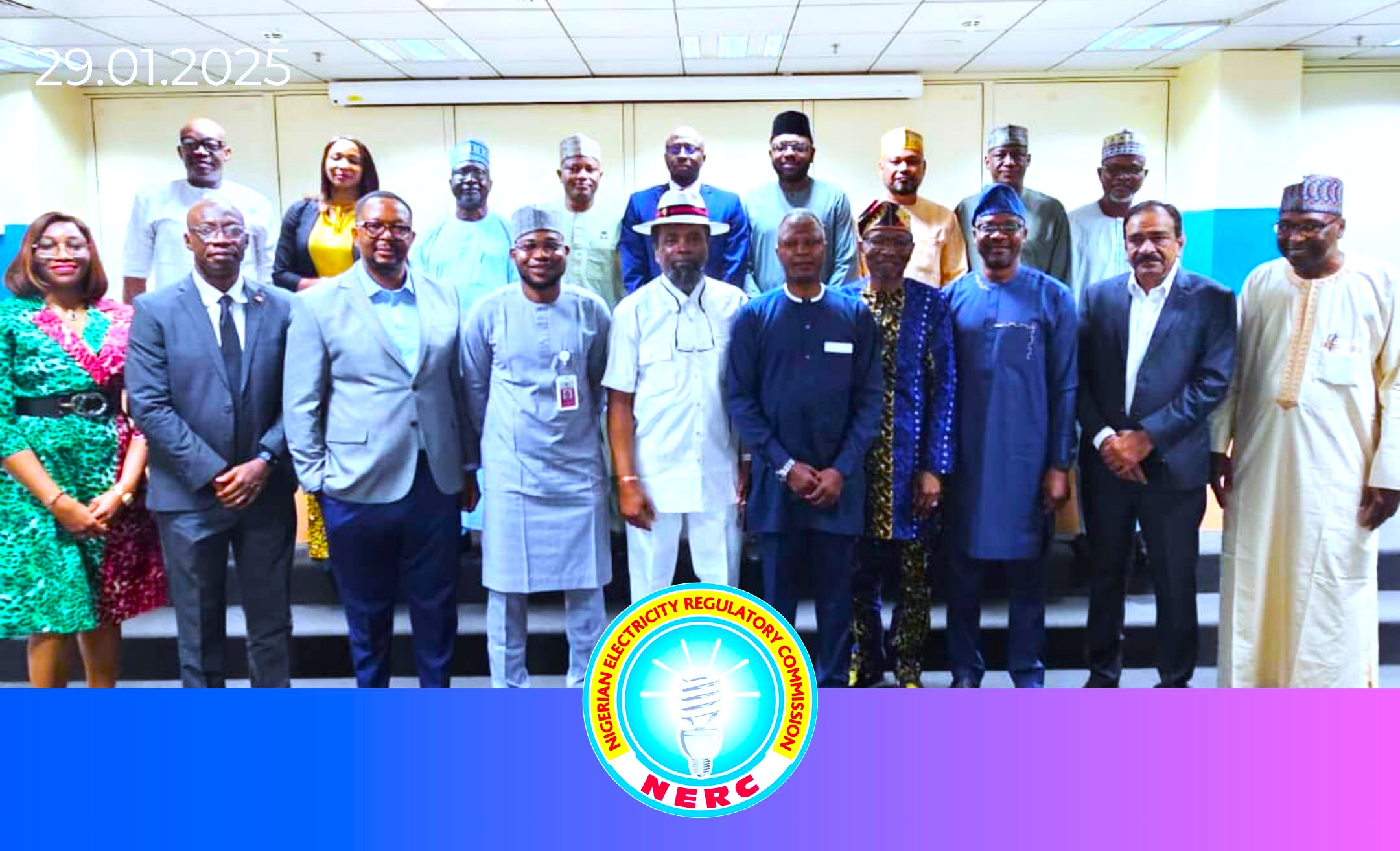
The Nigerian Electricity Regulatory Commission (NERC) has called on local and foreign investors to invest
as the government seeks to expand generation capacity and deliver more reliable electricity to homes and businesses.
It says the current environment offers opportunities for bankable, sustainable investments.
Chairman of the commission, Musiliu Oseni, represented by the commission’s Director of Economic Regulation, Abba Terab, made the appeal during a panel at the 32nd Nigerian Economic Summit in Abuja.
The commission said increased investment is critical to closing Nigeria’s energy gap and ensuring stable electricity supply.
Oseni said NERC has created regulatory instruments to support commercially viable transactions and attract private capital into the electricity market.
He said the commission is promoting decentralised supply models, including embedded generation, which allows power to be produced closer to the customers and communities that need it.
Such projects, he added, could create investment opportunities beyond the traditional grid-supply model while giving industrial and commercial users more dependable power.
NERC has said the Electricity Act 2023 expanded opportunities across grid, off-grid, captive and embedded-power segments.
Other panellists said regulation, gas infrastructure and commercial discipline are central to building a sustainable electricity market.
Chijioke Okwuokenye, Managing Director of Abuja Electricity Distribution Company (AEDC), said regulatory support for measures such as embedded generation and net billing could accelerate renewable-energy adoption.
He said net billing allows customers who generate electricity, including from renewable sources, to receive credits or payments for power exported to the grid, subject to applicable regulatory arrangements.
Speaking, Managing Director of Elektron, Deen Solebo pointed to government efforts to strengthen gas-to-power infrastructure, arguing that medium-scale plants can serve defined geographic areas and customer groups more efficiently.
Segun Ajayi-Kadir, Director-General of the Manufacturers Association of Nigeria (MAN), said Nigeria needs a viable electricity market in which suppliers deliver power reliably and customers pay for energy received.
Unreliable supply raises manufacturers’ operating costs, he said, while weak payment discipline can erode the financial capacity of power providers.
He argued that many manufacturers and commercial users rely on alternative power sources, increasing production costs.
The Chairman disclosed that the Electricity Act 2023 created a structure for greater participation by state governments and private operators in electricity markets, opening the door to decentralised generation and distribution under applicable rules.
He pointed that the law allows states to establish and regulate intrastate electricity markets, while NERC retains authority over interstate and national-grid activities.
The panel, moderated by Jumoke Delano of Competence Builders International, formed part of the Nigerian Economic Summit Group’s effort to promote reforms and build a private-sector-driven, globally competitive economy.
