

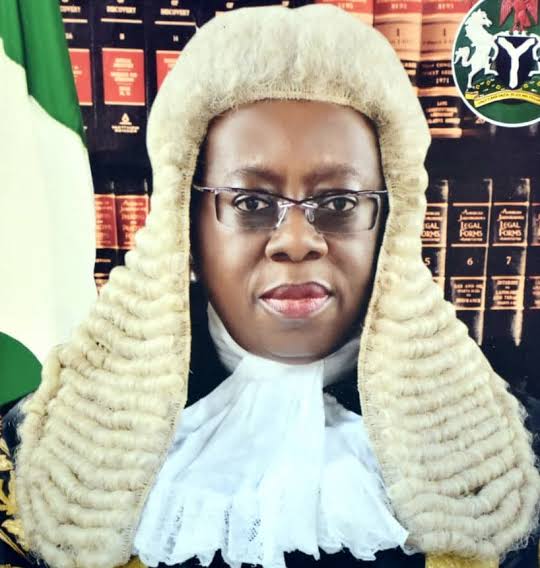
Chief Justice of Nigeria (CJN) Kudirat Kekere-Ekun warned judges on Monday against close ties with political parties as the country prepares for the 2027 general elections, saying the judiciary must preserve “absolute impartiality” in the election disputes likely to reach the courts.
Speaking at the Supreme Court’s ceremony opening the 2026/2027 legal year, the CJN said electoral litigation would attract intense political pressure and public scrutiny.
The CJN warned judges and judicial officers to steer clear of partisan politics, stressing the need to preserve the independence and integrity of the judiciary.
Judges, she said, must avoid political associations or any conduct that could create an appearance of partiality, and should decide cases with the same detachment they apply to ordinary disputes.
The Chief Justice also directed criticism at lawyers, cautioning against “forum shopping”—filing related cases in courts perceived to be favorable or pursuing multiple suits seeking substantially the same relief.
She said the practice can produce conflicting orders, disrupt judicial proceedings and create the impression that litigants are seeking a preferred outcome rather than justice under the law.
She urged counsel to disclose related proceedings, respect other courts’ jurisdiction and consider whether new filings serve the orderly administration of justice.
Political cases, she added, should not crowd out other litigants awaiting determination.
Kekere-Ekun also called for stronger protection of the process for selecting judges, saying appointments must command public confidence because judicial officers carry constitutional authority and public trust.
She said recent appointments have used structured assessments, peer and professional feedback, background checks and public comments on shortlisted candidates.
However, she warned that those safeguards must not be turned into “trial by publicity” or vehicles for personal and professional vendettas.
She criticized the use of social media to convert professional disagreements into harassment, threats or ridicule, saying criticism of judgments and misconduct allegations should follow proper institutional channels.
The Supreme Court handled 2,456 matters in the 2025/2026 legal year and delivered 411 judgments, up from 369 judgments and rulings on 2,280 matters the previous year, according to the chief justice.
The caseload included 676 appeals, among them 19 political appeals.
To reduce delays, the court’s E-Diary Office scheduled 1,385 cases for hearing from March 23 to December 27.
The cases included 1,021 motions and 364 appeals, with 733 being old cases that were given priority. The court also settled 178 inactive cases in chambers and cleared 125 completed cases from its list.
