

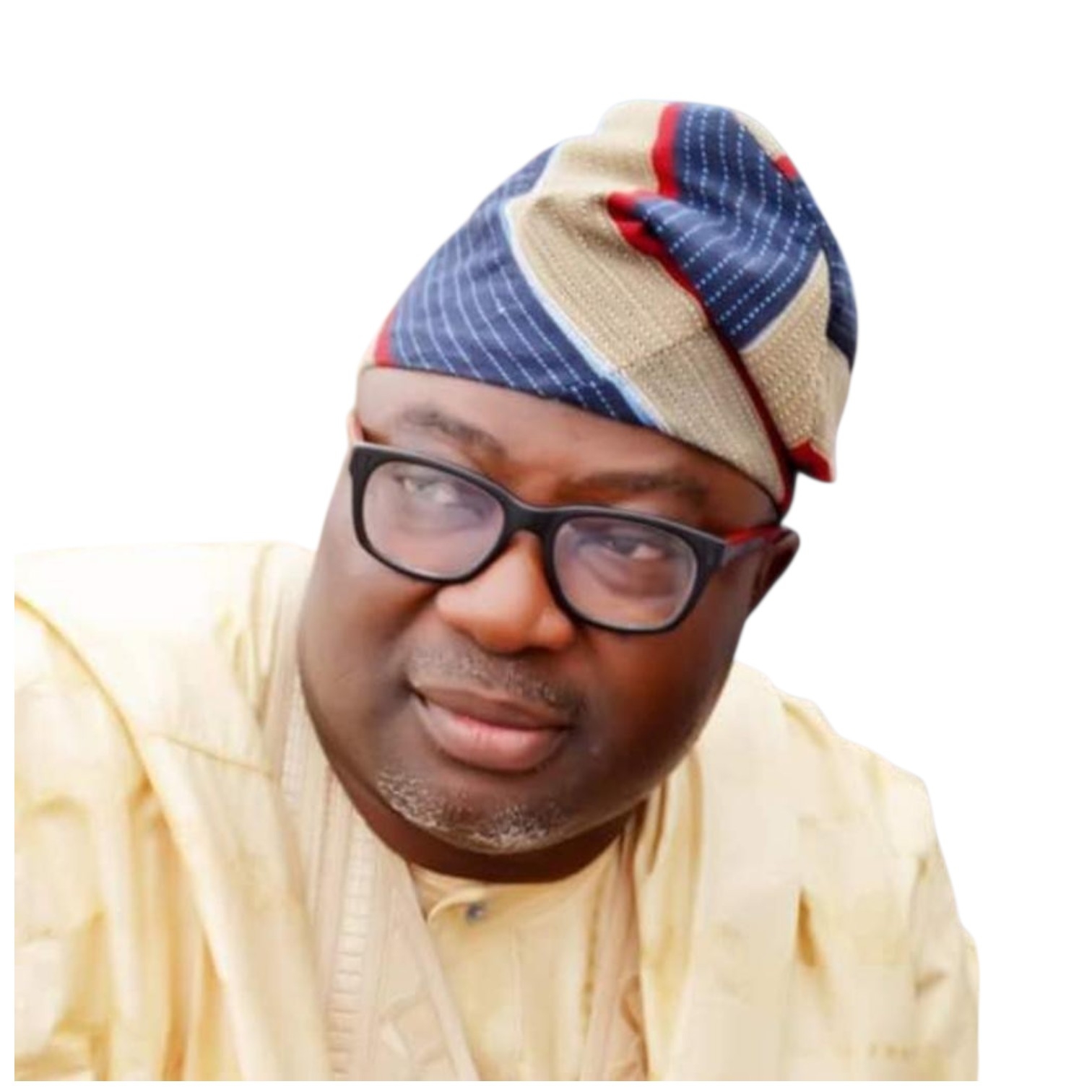
By Tunde Rahman
In recent weeks, Nigeria’s First Lady, Senator Oluremi Tinubu, has come under attack for her Akara and Kulikuli Women Empowerment Programme under the Renewed Hope Initiative. The criticism ranges from the downright cynical to the patronising: “Why akara?” “Is this all women deserve?” “Is it not a political stunt?” Such questions miss the point. Those raising the questions mistake symbolism for substance and mock the very women who keep Nigeria’s economy running before sunrise.
Speaking with State House Correspondents after the 2nd Quarter meeting of the RHI with wives of state governors at the Presidential Villa, Abuja, on June 23, 2026, the First Lady had cited akara, kulikuli, and roasted corn as businesses that do not require much money, noting that the money given out to women under her RHI empowerment programme was not a loan, but a grant.
Let us be clear on what the RHI programme actually is – and what it is not. It is not a photo-op session seeking validation with frying pans on display. It is a deliberate effort to formalise, finance, and scale the businesses of millions of Nigerian women who already work in the informal food-processing sector. Akara and kulikuli are not “small” trades. They are MSMEs. They employ millions, feed millions, and fund school fees, rent, and healthcare in nearly every Nigerian community from Ilobu to Ilorin.
Knowing she meant well, spoke rightly, that the RHI empowerment programme is well-intentioned and properly targeted, and that those criticising her akara and kulikuli talk were merely hoping to use the reference as fodder for 2027 politics, the First Lady doubled down on her June 2 remarks and defended the comments. Inaugurating the newly completed Abubakar Maje Haruna Hall at the Emir of Hadejia’s Palace last Monday during her visit to Jigawa State, the First Lady said: “I know they have been talking. I said akara; it’s not only akara. We also have tomato, boli, pepper and vegetable sellers in the market. We will continue to empower them. I know all those who are affected will appreciate it, and we are not intimidated by all those wrong reports.”
On that occasion, Senator Tinubu extended RHI grants to 2000 petty traders in Jigawa, with each of the beneficiaries receiving N50,000 to recapitalise their businesses.
I recently saw the benefit of this RHI support firsthand at Wuse Market in Abuja during my encounter with a 47-year-old trader named Mama Blessing Ojo. She had sold akara at the same corner for 10 years, she narrated. Before RHI, she fried in several batches using a charcoal stove and reused oil. “My chest would burn from the smoke, and customers complained the akara was too oily,” she told me. Through the programme, she received a stainless-steel gas fryer with an oil filtration unit and sealed packaging.
“Now I fry faster, use less oil, and supply three hostels in Gwarimpa in Abuja. My daily profit went from ₦2,800 to ₦7,500. I paid WAEC fees for my last daughter without borrowing.”
Two stalls away, Aisha Mohammed, 32, processes kulikuli. She previously sold in transparent nylons and lost stock to moisture. RHI linked her to NAFDAC training and provided a manual grinder and heat sealer. “They taught us labelling and expiry dates,” she said. “Now my kulikuli is in two supermarkets in Jabi, Abuja, and one school canteen. A woman from London even ordered 30 packs for her family. I never thought kulikuli could go abroad.” These are not outliers. They are the point.
For too long, economic policy in Nigeria has looked upward – to big contracts, big oil, big tech – while ignoring the woman who fries akara at 4 a.m. and uses reused oil because she cannot afford a filter. The First Lady’s RHI programme meets that woman where she is and, in doing so, gives true meaning to inclusion. Through RHI, beneficiaries receive stainless steel equipment, hygiene and packaging training, support for NAFDAC certification, and linkage to microcredit and off-takers. The goal is simple: move from the roadside to registered sellers; from subsistence to scale.
Critics call this demeaning. But poverty is actually what demeans, and demeaning is pretending that dignity only exists in a suit, a shirt and a tie, in a white-collar job. Dignity is giving a woman a safer fryer, a branded package, and a supermarket contract. Dignity is increasing her daily profit from ₦3,000 to ₦8,000 without her working longer hours. That is what the pilot phases of the empowerment programme in several states have already shown – 40-60% income growth in under three months.
There is also a cultural dimension here that should not be ignored. Nigeria’s grandmothers built the informal economy long before “SME” became a buzzword. To dismiss akara is to dismiss them. The First Lady, a former teacher and three-term Senator, is using her office to bring visibility, capital, dignity and respect to the work that was previously invisible.
It’s important to note that RHI is just as committed to funding STEM scholarships, tech hubs, and “white-collar” opportunities for our daughters. The initiative has supported interventions in healthcare, agriculture, education, ICT training and social investment programmes. The First Lady has donated huge sums of money to help in tackling tuberculosis, breast cancer interventions and address malnutrition.
RHI also engages in programmes, from scholarships to support for female artisans and PWDs.
However, development is not mutually exclusive. A nation develops on two lanes: the highway of big infrastructure and the footpaths of small capital. Ignore the footpaths, and half the population may never reach the highway.
To those who impute political motive to the programme, wouldn’t it be wise if they showed us the All Progressives Congress membership card required to benefit? RHI works through market associations, women leaders, and NGOs across party lines. The measure of public service should be impact, not party colour.
Nigeria will not be rebuilt only in Lagos or Abuja boardrooms. It will also be rebuilt in Oja-Oba, Mile 12, Alakija, Wuse, Maraba and Oluwo markets – wherever a woman turns beans and groundnuts into income.
Senator Tinubu is not asking women to stay in the kitchen. She is asking Nigerians to enter the kitchen — upgrade it, finance it, and turn it into a business. That is not trivial. That is economic inclusion. It is a noble course of action. And it is worth defending.
Rahman is Senior Special Assistant to President Tinubu on Media and Special Duties.
