

The Federal Government has given a presidential working group until December 11 to produce a plan to resolve chronic funding shortfalls at the nation’s embassies and high commissions.
This is coming amid concerns that unreliable financing is weakening diplomatic operations abroad.
The deadline stems from an October 14 presidential directive ordering a comprehensive fiscal and technical review of how the government finances its foreign missions.
The Presidential Technical Working Group is expected to deliver a report and implementation program to President Bola Tinubu by the deadline.
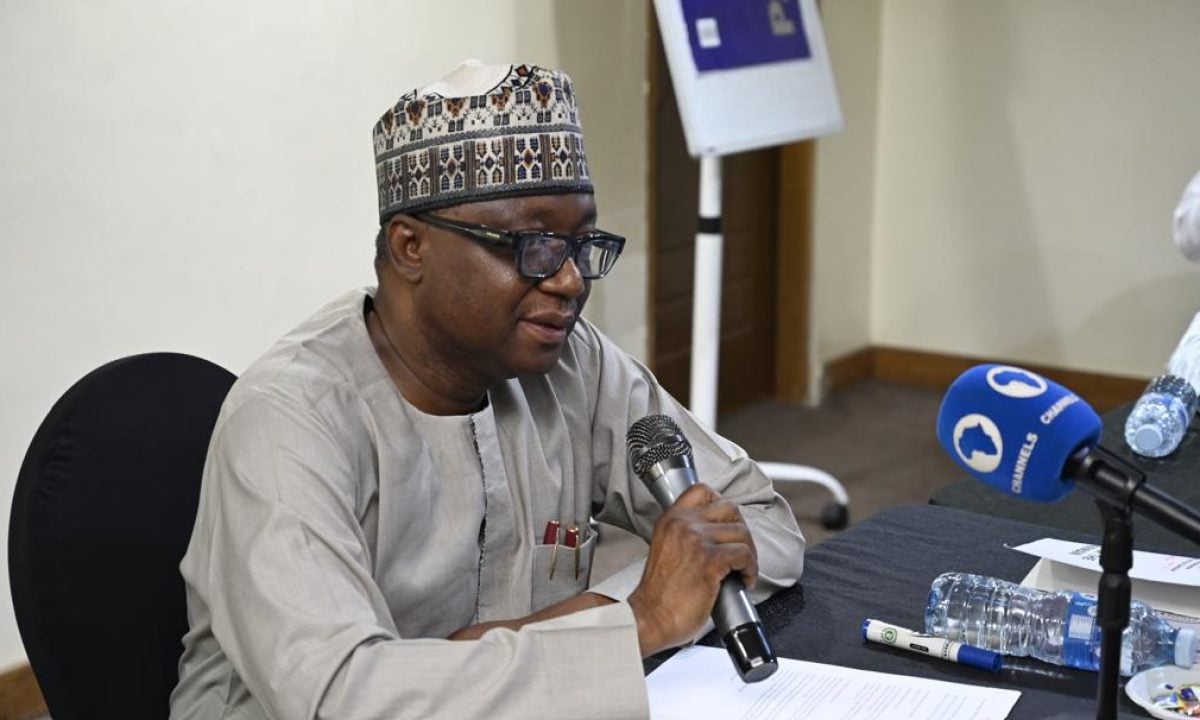
Mohammed Bello Shehu, Chairman of the Revenue Mobilisation, Allocation and Fiscal Commission (RMAFC), said at the group’s inaugural meeting in Abuja that the review must produce a funding framework that is “transparent, predictable, affordable and sustainable.”
He said President Tinubu expects a workable solution rather than a proposal that simply increases budget allocations.
Shehu said the review was prompted by RMAFC’s engagements with Nigerian mission staff in several countries, which exposed the operational consequences of constrained and unpredictable funding.
He warned that recurring financial uncertainty could undermine missions’ ability to protect Nigerians abroad, promote trade and investment, and manage diplomatic relations.
The group is expected to examine not only the size of allocations but the entire funding pipeline: the timing and reliability of releases, budget preparation and execution, foreign-exchange arrangements, expenditure controls and the prioritization of core diplomatic obligations.
It is also directed to assess the causes of financial instability, evaluate alternative funding models and draw lessons from how other countries finance their missions, while keeping recommendations within Nigeria’s constitutional and legal framework.
Shehu said the final report must do more than diagnose problems.
It should present evaluated funding options, recommend a preferred approach and include an implementation plan with timelines, institutional responsibilities and any administrative or legal changes needed.
RMAFC’s role is grounded in Paragraph 32(c), Part I of the Third Schedule to the 1999 Constitution, which empowers the commission to advise governments on fiscal efficiency and revenue-raising measures.
Shehu said the commission’s involvement is intended to complement, rather than override, the responsibilities of other agencies.
The working group’s immediate tasks include agreeing on terms of reference, developing a work plan, identifying financial and operational documents needed from participating agencies and determining how to consult stakeholders.
RMAFC will provide secretariat and technical support.
The initiative brings together the Foreign Affairs and Finance ministries, the Office of the Accountant-General, the Budget Office, the National Salaries, Incomes and Wages Commission and the Nigeria Immigration Service, among other agencies.agencies.
“Nigeria’s diplomatic presence abroad could not be sustained by ceremony alone,” Shehu said, adding that the country must balance missions’ operational needs with fiscal discipline and accountability.
